Environmental laboratory
Published over 2 years ago. See the latest and most current information on Environmental laboratory.
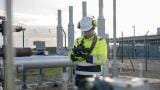
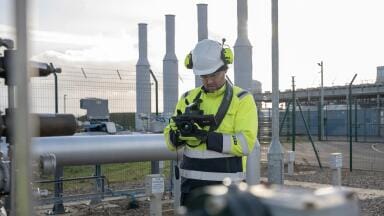
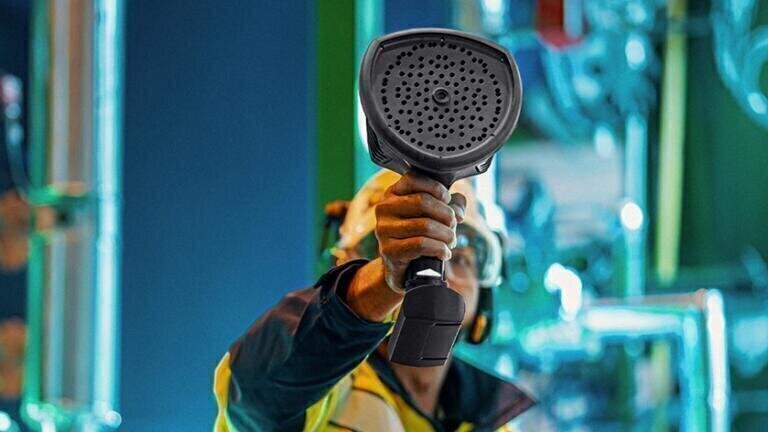
Air leaks are a cause of considerable energy waste and financial loss in manufacturing plants, where compressed air is often used for transferring the energy necessary for functional industrial processes. Leaks can lead to energy wastage, drops in system pressure, higher production costs, and reduced operational efficiency. By operating an acoustic camera such as the FLIR Si124-LD Plus, manufacturers can detect leaks, save costs, and reduce carbon dioxide emissions more efficiently than any other solution. Acoustic cameras have improved detection speed dramatically and it is now possible to detect leaks from several tens of meters away.
Acoustic cameras save time, energy, and costs and reduce carbon footprint by locating hidden compressed air leaks rapidly. These fast-acting devices ensure operational continuity because of their ability to detect air and gas leaks early on. These versatile instruments require very little training and are easily integrated into existing maintenance cycles. Each camera can monitor a large area and pinpoint a potentially critical problem promptly and precisely, even in the noisiest industrial locations. FLIR’s acoustic cameras also provide real-time results and actionable data to facilitate efficient maintenance and repair strategies via machine-learning-driven analytics.
IET Guide 2026

 Product directory