Environmental laboratory
Published over 14 years ago. See the latest and most current information on Environmental laboratory.
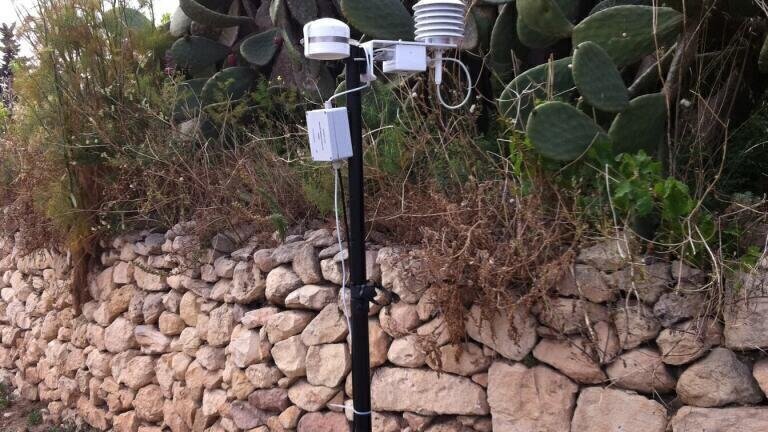
Heritage Malta has installed Envirologger (UK) monitoring technology at ten locations around the site of the Tarxien Temples – a highly important archaeological site dating back to between 3600 and 1500 BC.
The monitoring stations were installed in 2011 and are being utilised for research purposes and to gain reliable data for scientists, conservators and engineers to ensure the best possible management of the site. Explaining the benefits of continuous environmental monitoring, Curator Joanne Mallia from Heritage Malta says: "Naturally, the materials and structures at this site are affected by the environment, so a protective shelter has been proposed to slow down the rate of deterioration of the stone surfaces and the monitoring equipment will help create an accurate picture of the environmental conditions on site, both before and after the installation of the shelter."
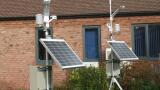
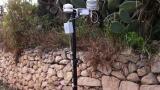
The Envirologger is a highly sophisticated battery powered data collection technology that is able to accept inputs from a wide variety of sensors and output via almost any communications technology. At Tarxien, the Envirologgers are connected to sensors for measuring wind speed, wind direction, air temperature, ambient humidity, atmospheric pressure, soil temperature and wetness, and water level.
Data is transmitted to a central web logger by the new Envirologger wireless sensor nodes. The data is then ‘pushed’ to Heritage Malta. The entire monitoring and data transmission network is run on low voltage solar power because it is not possible to run cables around the site for fear of negative effects on the ancient stone structures.
The Tarxien Temples site is a recipient of European funds under the ERDF 2007-2013 programme and the installation of an environmental monitoring system will help to protect the site for the benefit of future generations.
Summarising, Joanne Mallia says: "The monitoring equipment was chosen following a competitive national government tendering process and we have been pleased with the hardware and the quality of the sensors. The ability of the monitoring system to use solar power is also particularly useful."
IET 36.5 Sept/Oct 2026




 Product directory