Environmental laboratory
Published over 7 years ago. See the latest and most current information on Environmental laboratory.
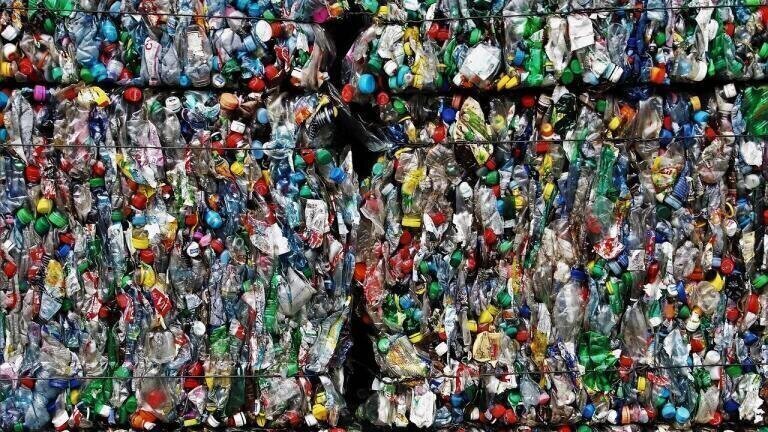
Each year, households in Britain generate a cumulative total of approximately 22 million tonnes of waste. With only 44% of that amount being recycled, and the country not looking likely to meet its own target of 50% by 2020, a significant amount of plastic is sent to landfill or, worse still, ends up in our rivers and oceans.
To make matters worse, even the percentage of plastic which is apparently recycled may also be an environmental danger. Like many countries around the world, including the USA, Australia and much of Europe, the UK is not currently equipped to deal with the sheer volume of plastic recycling it generates. As a result, this waste is exported abroad, most commonly to Asia, where it is unknown what exactly happens to the plastic afterwards and whether basic standards of safety are met.
For many years, China had been the destination of choice for developed countries to send their plastic waste; in 2016 alone, it imported 7.3 million tonnes of the stuff from the UK, USA, Japan and others. In 2017, 66% of UK plastics were sent to China and Hong Kong to be processed.
However, last year the Chinese government announced that it would no longer accept certain types of waste materials for import, including polyethylene terephthalate (PET), which is the kind of plastic most commonly used in producing drinks bottles, as well as other kinds of plastic containers and all types of paper. The ban came as part of China’s plan to clean up its own environmental efforts - but it left many western nations, including the UK, scrambling for a replacement destination for its waste plastics.
The most recent statistics from July 2018 show that plastic waste imports to China and Hong Kong fell by 90% from some countries, with its neighbours Indonesia, Malaysia, Myanmar, the Philippines, Thailand and Vietnam stepping in to the breach.
However, it has emerged that recycling practices in these countries may not be up to environmental standards. For example, over 50% of the plastics imported in Vietnam end up at processing sites in “craft villages”, which are conducted by villagers without proper regulation or supervision. As a result, one such village near Hanoi was processing 650 tonnes of plastic waste per day, discarding between a quarter and a third of it and discharging as many as seven million litres of untreated wastewater into local rivers on a daily basis as well.
Since these improper practices surfaced, Malaysia, Thailand and Vietnam have all imposed limits and restrictions on the type and volume of waste they will accept. Which raises the question: if microplastics are everyone's problem, why is the buck being passed to nations which are poorer and less equipped to take responsibility for recycling it?
In order to effectively tackle the issue of plastic pollution, developed nations must work hand-in-hand with developing ones to expand their recycling capabilities, improve best practices and investigate technologically-innovative ways of handling the problem. Otherwise, we could find ourselves buried under mountains of plastic waste of our own creation.
IET 36.5 Sept/Oct 2026




 Product directory