Environmental laboratory
Published over 14 years ago. See the latest and most current information on Environmental laboratory.
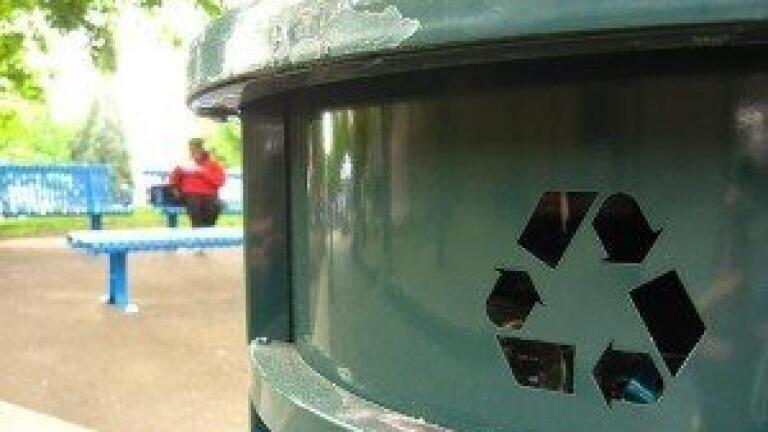
There has been a record increase of recycled waste in Wales, with people now recycling 49 per cent of all their waste from October to December last year.
Waste management efforts were up six per cent against the previous year, which is the biggest increase on record. The figures have been released by the Welsh Government on local authority municipal waste management, finding that 49 per cent of waste was recycled for a second quarter in a row.
Environment minister, John Griffiths, said: “I am delighted that the people of Wales are continuing to manage their waste in a sustainable and environmentally friendly manner and I congratulate local authorities in Wales for their pivotal part in this success.”
The figures certainly seem to set a precedent for the rest of Britain in itswaste management efforts, with figures in Wales continuing to rise above its neighbouring countries.
Chief amongst the reasons why it has been successful is weekly food collections, according to Mr Griffiths. This has been an area of contention in England, where weekly bin collection plans have been scrapped. 50,000 households in England, or one in every 560 homes, will return to full weekly rubbish collections, which is sure to have an impact on recycling efforts.
Posted by Claire Manning
IET 36.5 Sept/Oct 2026


 Product directory