Environmental laboratory
Published over 8 years ago. See the latest and most current information on Environmental laboratory.
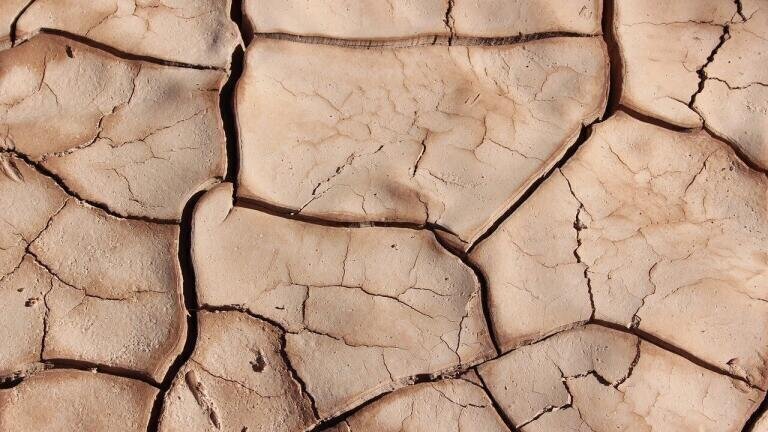
A new study from the University of California Irvine (UCI) has found that temperatures are increasing during droughts in large parts of the United States. The researchers analysed temperature and precipitation records from the 20th and 21st century and found that the mercury was rising at a faster rate in areas affected by drought than other more moderate climates.
Those behind the study believe that changes in atmospheric vapour are the root cause of the rising temperatures. Moisture in soil is capable of bringing down ambient temperatures by absorbing some of the heat in the air, but when the land becomes arid due to a lack of rainfall, those mitigating effects are not apparent. As such, the two phenomena exacerbate one another and contribute to serious problems for the land, infrastructure and biological life.
Much of the clamour surrounding climate change is focused on carbon emissions, but growing concern about global methane emissions show that people are aware both gases contribute to global warming. This not only raises temperatures worldwide, but also increases the likelihood of natural disasters, such as droughts, earthquakes and floods, occurring in vulnerable places.
The latest study, published in Science Advances earlier this month, looked back at data collected over several decades on temperature and precipitation all across the US. Their research showed that temperatures in places affected by drought rose as much as four times more quickly than they did in regions with more moderate climates in the northeast and south of the country.
Furthermore, the research displayed that temperatures have been warming with increased rapidity and regularity in the southern states in the last couple of decades than they were a century ago. This points to the fact that manmade climate change is having a serious impact on how the world’s ecosystem works.
Individually, both droughts and elevated temperatures pose unique threats that are serious enough on their own. The former endangers local flora and fauna, jeopardises crop yields and leads to a lack of drinking water for human inhabitants, while the latter can cause an increased occurrence of heatwaves, the melting of the polar icecaps and the ultimate rising of sea levels.
However, when both of these incidents happen concurrently, the dangers are multiplied. In particular, a combination of the two can result in a higher frequency of wildfires in susceptible forested areas, leading to not only decimation of the land but higher concentrations of pollutants the air, recorded by wide-ranging particulate matter sensors.
“Both phenomena, which are intensifying due to climate warming, are expected to have increasingly harmful consequences for agriculture, infrastructure and human health,” explained Amir AghaKouchak, co-author of the study. “We need to bolster our resiliency against these threats to protect our population health, food supply and critical infrastructure.”
IET 36.5 Sept/Oct 2026



 Product directory