Environmental laboratory
Published over 3 years ago. See the latest and most current information on Environmental laboratory.
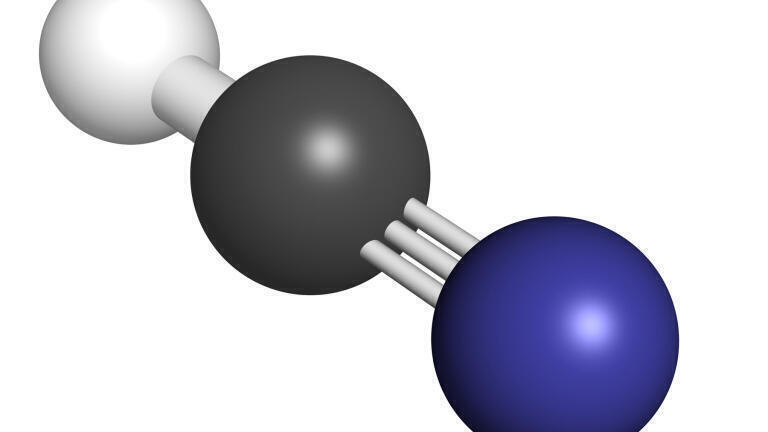
Cyanide is well-known as a highly toxic substance, occurring in foods such as bamboo shoots and almonds, and is also naturally generated by microorganisms. It is used in industrial processes like plating and refining ores from mining and can be released into the environment from burning coal and plastics.
The U.S. government classifies cyanide as a regulated inorganic contaminant in drinking water and several regulatory bodies have set guidelines for cyanide levels in drinking water to ensure its quality and to protect consumers. For example:
• Environmental Protection Agency: Maximum Contaminant Level (MCL) in drinking and surface water of 200μg/L of free cyanide. In wastewater, there is a limit of 5.2μg/L total cyanide continuous discharge from publicly owned treatment works, 22μg/L maximum discharges into fresh water, and 1μg/L into salt water.
• Food and Drug Administration: In bottled water, an MCL of 0.2mg/L.
• World Health Organization: Specifies an MCL of 0.07mg/L in drinking water.
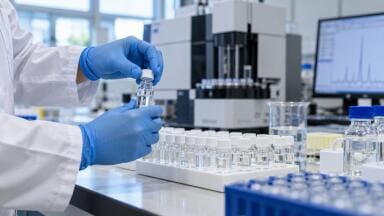
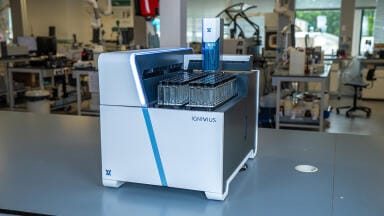
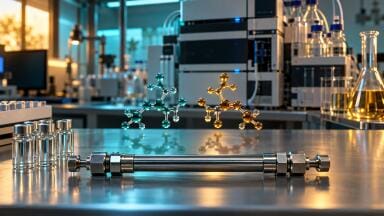
Traditionally, colorimetric and spectrophotometric methods have been used for cyanide detection and quantitation. However, these methods require distillation and can have many interferences. Thermo Fisher provide ion chromatography (IC) methods that can resolve each individual metal cyanide complex into a discrete chromatographic peak, allowing a precise differentiation of complexes of lesser toxicity from those of greater toxicity.
IET 36.5 Sept/Oct 2026


 Product directory