Environmental laboratory
Published over 16 years ago. See the latest and most current information on Environmental laboratory.
Agilent Technologies (USA) and Mississippi State University (MSU) announced a new analytical method developed by State Chemical Lab scientists at MSU that will be used to test seafood from the Gulf of Mexico for evidence of oil contamination, pending review from the U.S. Food and Drug Administration (FDA).
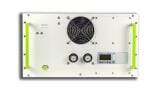
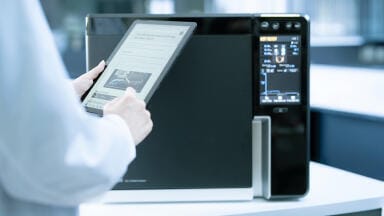
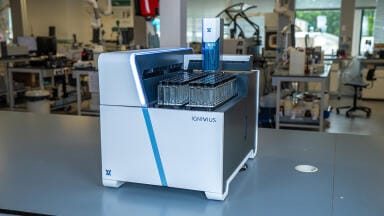
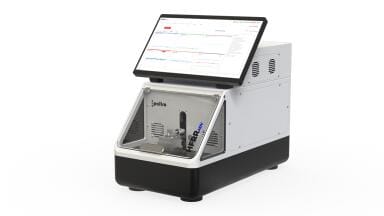
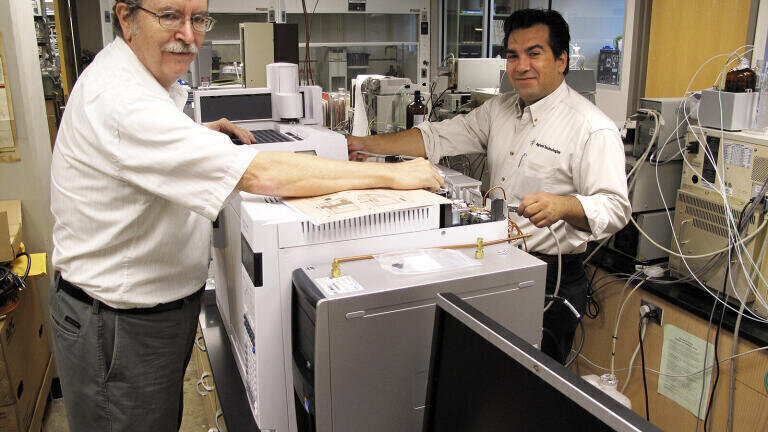
Mississippi State University recently received a boost for the new method when Agilent installed a 7000 Series GC/MS/MS PAH Analyser that determines levels of polycyclic aromatic hydrocarbons (PAHs), the primary oil contaminants that affect seafood. Agilent engineers completed setup of the new instrument the first week of July.
"Repetition and precision in the testing process are essential," said Associate Professor Kang Xia, who also serves as director for the Research Division and the Industrial and Agricultural Services Division of the Mississippi State Chemical Lab. "The lab’s current instrument isn’t reliable. It is over 10 years old and has suffered numerous mechanical and software failures due to its advanced age and heavy use. Agilent’s 7000 Series GC/MS/MS PAH Analyser will prevent this from happening."
In addition, the Agilent GC/MS/MS PAH Analyser shortens the turnaround time between testing a sample and providing results to regulatory agencies. With the new piece of equipment, it will take about two and a half days to take 20 samples, run tests and receive the results. This method takes less time than the method currently used by the National Oceanic and Atmospheric Administration (NOAA), which takes five to six days.
"It is critical that Mississippi State and similar research facilities tasked with monitoring the safety of seafood in the Gulf have the most advanced technology available," said Mike McMullen, president of Agilent’s Chemical Analysis Group. "Agilent has a long history of providing leading technologies in hydrocarbon processing, environmental and food safety testing, all key areas of response in the Gulf. Within weeks of the spill, our scientists had developed turnkey solutions to immediately improve productivity and analytical performance."
The State Chemical Laboratory expects to submit the new test process to the FDA for review by the end of July. Findings will also be submitted to a peer-reviewed publication.
"Mississippi State’s research, service and outreach are making a difference now, and we will continue to provide long-term leadership as the region recovers from the environmental and economic effects of the oil spill," said David Shaw, the land-grant institution’s vice president for research and economic development.
IET 36.5 Sept/Oct 2026



 Product directory