CEMS
Published over 5 years ago. See the latest and most current information on CEMS.
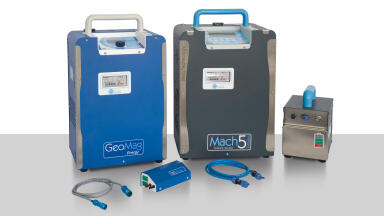
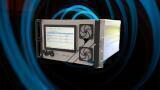
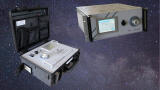
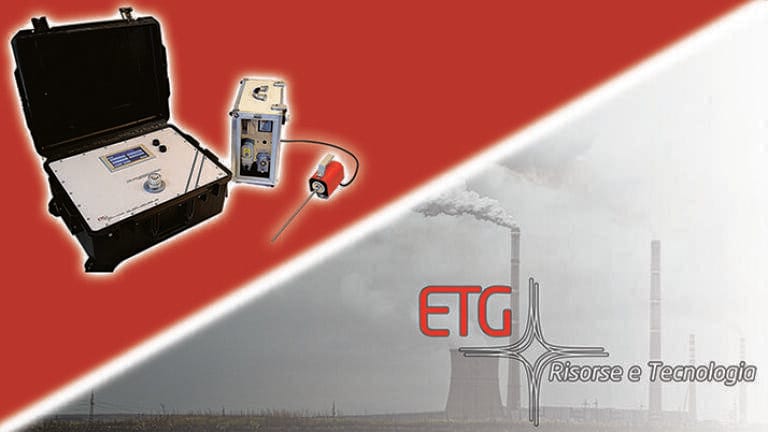
ETG’s 7550 P is the first compact and lightweight stack gas analyser which combines two advanced technology, NDIR and NDUV, on the same instrument. ETG 7550 P does not use any electrochemical cells and it can simultaneously measure up to seven separate gas components: SO2, NO, NO2, CO, CO2, O2.
With the use of high-performance light emitting diodes (IR-LED) and thermal micro radiators, ETG 7550 P has displayed high level of stability and a low detection limit, thus performing high quality NDIR gas analysis.
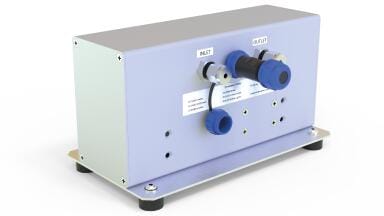
The compounds detected with NDUV technique have no cross sensitivity due to enhanced miniaturised UV LEDs. Oxygen measurement is performed by an advanced paramagnetic cell. In addition, the ETG 7550 P can include a portable sample conditioning system which will remove dust and decrease humidity as well as feeding the analyser at a compatible temperature and with a clean sample.
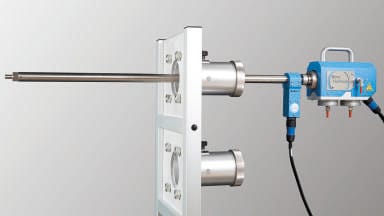
This system uses the latest generation of heated sampling probes, these are very compact and rugged and includes 5 metres of heated hose as standard. When combined with the ETG 6900 P, a TDL based portable gas analyser, can also detect NH3, HCl, and CH4. The ETG 75560 P works with the standard communication protocols (Ethernet, Wi-Fi integration, Anybus), automatic calibration and a 7” touch screen monitor are standard features.
IET Guide 2026

 Product directory













.jpg)