Water/wastewater
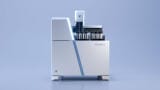
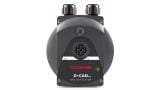
Water is an invaluable resource for industries such as pharmaceutical manufacturing that require vast amounts of pure water for their operations. As global sustainability goals tighten, companies face increasing pressure to reduce water consumption and explore reuse strategies. In 2024, Ekopak installed a cutting-edge pilot system for a multinational biopharmaceutical company to meet these challenges head-on. The solution consisted of a best-in class treatment train and was equipped with an automated microbial analyser, BactoSense for additional microbiological monitoring capabilities.
Figure 1: Example pictures of the inside and outside of a containerized pilot system
The biopharma client had clear objectives for this water reuse project. With ambitious sustainability targets, they sought to significantly reduce their water consumption while ensuring the recycled water met stringent drinking water standards, compliant with local legislation. Ensuring high microbiological water quality was paramount, but traditional microbiological testing methods were insufficient, as they are time-consuming and lack online monitoring capabilities
Moreover, the client aimed to maximize the reuse of wastewater, ensuring that as much water as possible met quality specifications. Water outside these limits represented a loss in recovery. They also required an accurate assessment of the overall recovery potential, coupled with an estimate for the investment required for a full-scale implementation. Compounding these challenges was the highly variable composition of the water to be recycled, which requires clever system designs, testing and optimization.
An innovative pilot system was installed, consisting of a containerized ultrafiltration (UF) and two-stage reverse osmosis (RO) process. This solution, housed in a standard shipping container, featured the whole treatment system and was controlled from a built-in Supervisory Control and Data Acquisition (SCADA) system with Human-Machine Interface (HMI). With this mobile test lab the most suitable technology for the client’s specific water quality requirements was determined.
The solution also provided numerous sampling points for extensive water quality analysis throughout the whole pilot period. To address the strong requirement for tight microbiological control, an online flow cytometer as a rapid microbiological monitoring system was included. This complemented conventional cultivation-based tests and provided more precise data on bacterial levels all along the treatment train, further enhancing the client’s confidence in the water reuse system.
Ekopak’s project support spanned the entire trial period, from commissioning to decommissioning. The team provided both remote and on-site assistance, detailed performance analysis, and thorough reporting to help the client assess the feasibility and estimate the cost of a full-scale solution. The three-month pilot was conducted on-site, right next to the client’s production facility, ensuring data collection under realistic operational conditions.
The Total Cell Count (TCC) can automatically and accurately be measured in as little as 20 minutes. This capability was utilized to assess the performance of the core treatment stages, UF and RO. A combination of manual sampling campaigns and online monitoring installations during the pilot phase yielded the following important findings:
1. Membrane filtration and microbial regrowth shape the overall microbiological landscape
The microbiological quality of the water evolved significantly during treatment. The membrane filtration steps achieved a reduction of approximately 1.5 log in total cell counts (figure 3). However, RO prefilters and storage tanks emerged as potential hotspots for biofilm formation and bacterial growth, compromising RO membrane performance and elevating microbial counts in the permeate. Replacing the RO 2 prefilter immediately enhanced the quality of the RO 2 permeate.
2. Stagnation is a driver of biofouling and impacts final water quality
Despite having nominal pore sizes orders of magnitude smaller than bacteria, UF filtrates and RO permeates are generally not sterile nor are their bacterial levels constant over time.
In this pilot, cell count variability could largely be attributed to interruptions of the treatment system, leading to water stagnation. Short-term stagnation triggered significant but temporary TCC spikes in RO permeates, while long-term stagnation had lasting negative effects on water quality (figure 4). This has direct implications on the treatment operation and highlights the need for additional flushing or cleaning steps following stagnation.
Moreover, rapid microbial regrowth indicates that both UF filtrates and RO permeates are not biostable, emphasizing the importance of assessing microbial regrowth up to the point of use and preventing stagnation whenever possible.
3. Membrane scaling reduces permeate flow and increases bacterial levels
In a dedicated experiment, RO membrane scaling was studied by omitting antiscalant dosing. Shortly after the start of the experiment, a reduction in permeate flow was observed, accompanied by a rise in total cell count (figure 5).
4. Minor adjustments of membrane operation can have unexpected effects on its performance
At the process optimization stage of the pilot, maximizing the membrane recovery was further investigated. One of the aspects under examination was the membrane performance at different feed pressures. It could be shown that a minor feed pressure increase led to a drastic rise of the total cell counts in the permeate (figure 6). Importantly, this phenomenon was not transient. The cell concentrations remained at a high level, demonstrating that operational parameters such as feed pressure can strongly influence the microbiological quality of the permeate.
“Pilot testing is of utmost importance to us. By integrating an online flow cytometer as a monitoring system, we gain rapid insights into microbiological performance, enabling us to make informed, data-driven decisions with confidence.”, states Benjamin Buysschaert, Manager R&D from Ekopak. The pilot system successfully met the client’s key performance indicators, delivering high quality water that complies with local drinking water standards.
Importantly, the microbiological data collected during the trial provided crucial insights, helping to identify critical treatment elements, schedule maintenance activities, and understanding the direct impact of operational changes on water quality. The client is very pleased with the outcome of the pilot and has gained the confidence that innovative solutions are available to achieve his sustainability targets.
Containerized pilot systems are simple to deploy, require minimal infrastructural adaptations by clients, and enable real-world performance assessments of effluent streams. This de-risks full-scale implementation by verifying that the treatment design works under all operational conditions. Furthermore, on-site and remote support by experts throughout the entire pilot period allows to closely monitor KPIs and rapidly iterate with process optimizations, an important strength in case of variable feed water properties.
Including an automated rapid monitoring system in the pilot empowered the operators to get an immediate understanding of the microbiological performance of the proposed solution, and a practical tool to further examine critical elements. Silvan Kaufmann, solution programme manager at bNovate, remarks: “We are very happy to have been able to contribute to the success of this pilot with comprehensive and actionable microbiological data.
We experienced firsthand how much value such containerized pilot installations bring to clients.” As an example, the initial grab sampling campaign provided a comprehensive overview of the microbiological landscape of the whole treatment train, helping to qualify the performance of the membranes and understanding microbial regrowth phenomena in prefilters and pipes.
Several subsequent online monitoring installations helped understanding the temporal dynamics of the membrane filtration units, assessing the effects of prefilter maintenance, stagnation, scaling and optimization of operational parameters.
Ekopak is a Belgian company specialized in sustainable water management solutions utilizing innovative and environmentally friendly technologies. Ekopak supports businesses in reducing water consumption and dependence on traditional water sources, contributing to a more sustainable future.
bNovate Technologies SA is a leader in the microbiological analysis and monitoring of water. The Swiss company propels industrial microbiology into the digital age with rapid, automated solutions for the global water, food & beverage, pharmaceutical, and cosmetics industries.
IET 36.3 May



 Product directory