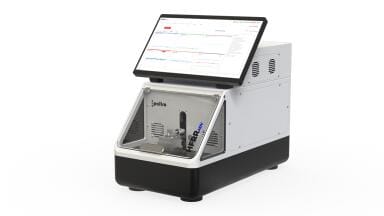
Air monitoring
Published over 17 years ago. See the latest and most current information on Air monitoring.
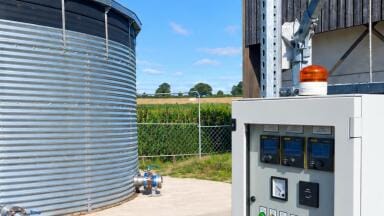
Industrial plant operators in Europe, US and other industrialised countries are increasingly interested to continuously monitor stack emissions. This serves the double purpose of proving that a plant?s emissions are below agreed emission limits and also giving the plant operator feedback on the performance of arrestment plant, so that fault conditions can be quickly detected and hence emissions minimised. Wet stacks, which are categorised as those in which there are water droplets or mist in the flue gas, are more challenging to continuously monitor than ?dry or non condensing? stack conditions since there are the additional problems of overcoming interference from water droplets and the increased likelihood of instrument fouling causing errors in measurement. However, a number of methodologies have emerged over the past 15 years which are now more widely available to provide a choice of reliable compliance measurement or pragmatic arrestment plant control for wet stack applications.
IET 36.5 Sept/Oct 2026


 Product directory