Water/wastewater
Published over 12 years ago. See the latest and most current information on Water/wastewater.
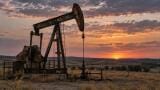
Chesapeake Energy has been fined over allegations the company buried numerous wetlands and streams at several natural gas extraction sites throughout West Virginia, US. The energy firm will pay a total of $3.2 million (£1.95 million) in fines, with an additional $6.5 million to be paid towards restoration work at the 27 extraction sites that have been affected by the burying of streams and wetlands.
The sites were damaged by the company discharging fill materials into the wetlands and streams without authorisation. According to the US Environmental Protection Agency (EPA) and Department of Justice, the burying of the waterways at the 27 West Virginia sites was a violation of the Clean Water Act.
The two government bodies jointly announced the decision to fine Chesapeake and to ensure a comprehensive plan is in place to restore the damaged waterways. Chesapeake's fine is one of the biggest that has ever been awarded to a company for violating section 404 of the Clean Water Act, which states that a federal permit is required if any wetlands, streams, rivers or other water sources are to be dammed or filled in.
According to West Virginia's Department of Environmental Protection (WVDEP) and the federal government, Chesapeake illegally released rocks, dirt, sand and other materials into the wetlands and streams without a federal permit allowing the filling of the waterways or construction of road crossings, well pads and other facilities that are related to the extraction of natural gas. The violations apparently occurred at 27 different sites, 16 of which employ hydraulic fracturing, resulting in damage to around 2.2 miles worth or streams and over three acres of wetlands.
Shawn Garvin, EPA regional administrator, said: "Wetlands and streams serve important roles in the aquatic ecosystem by supporting aquatic life and wildlife. Wetlands also play a valuable role in recharging our groundwater and drinking supplies, and reducing flood risks.
"This case sends a clear message that EPA and other federal and state regulatory agencies will do what is necessary to ensure compliance with the Clean Water Act and to protect these valuable resources and the health of our communities."
IET 36.5 Sept/Oct 2026





 Product directory