Water quality monitoring
Published over 5 years ago. See the latest and most current information on Water quality monitoring.
With the advancement of technology and the incredible capabilities of artificial intelligence, machine learning and Big Data, smart cities are often talked about as the future of urban life. And with over half of the world’s population currently living in a city (and 70% of us expected to do so by 2050), a smart environment will soon become more important than ever.
But while most of the headlines regarding smart cities are occupied by energy, infrastructure and other sectors, water management often flies under the radar. However, as the most precious resource on the planet, it’s imperative that we do not neglect incorporating smart water into our cities. Here are a handful of ways which we can do so – and the benefits that they hold.
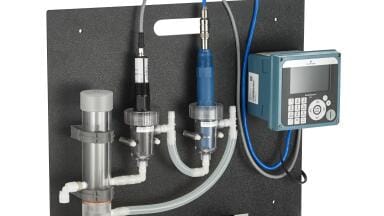
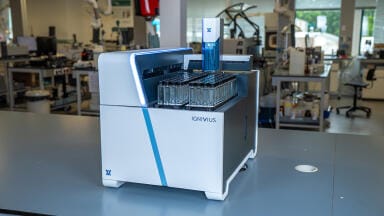
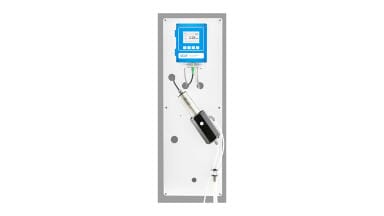
The use of sophisticated smart water monitoring technology is integral to ensuring that water quality remains high across the board. That’s likely to become increasingly important as more and more focus is placed upon the quality of the water which we imbibe and the contaminants which may infiltrate it, especially in an age where pandemics have become something of a buzzword. With a continuous smart online water monitoring system in place, any potential issues can be nipped in the bud before they spiral out of control.
The same can also be said for enhancing water management. If a water system is fitted with smart sensing equipment, a leakage can be detected and an engineer alerted to the problem as soon as it arises. This will drastically reduce wastage and optimise the storage and distribution of H2O. Given that an estimated 3.3 billion litres of water are lost to leakages in the water infrastructures of England and Wales every single day, that could represent a huge boon for the global population.
Indeed, smart water cities are good for the environment not just from a conservation point of view, but also a climate change one. The role that water systems play in urban management regularly goes underestimated, but they are thought to be responsible for up to half of the total energy consumption of a municipal authority. As such, optimising the use of that energy is an untapped resource in terms of minimising energy use and reducing emissions.
Meanwhile, smart water cities can also better manage storm drain overflows and urban run-off, which can cause flooding and compromise the quality of water bodies. An interconnected system would be able to give advance warning to local authorities, who could then issue alerts to the residents of the affected area and reroute traffic. All in all, this would minimise the damage of extreme weather events – which are only likely to occur with greater frequency and intensity in the face of climate challenge – and reduce their impact upon human life, as well.
IET 36.5 Sept/Oct 2026


 Product directory




.jpg)











.jpg)