Four bathing areas across Ireland have been deemed to have poor
water quality following tests.
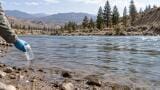
The Environment Protection Agency (EPA) discovered the majority of places in the country did meet European standards, but Sutton Burrow beach in Dublin, Lilliput at Lough Ennell in Westmeath, Ballyallia in Ennis and Clifden beach in County Galway all failed.
As part of the organisation's Quality of Bathing Water in Ireland 2010 study, 97 per cent of all areas were found to comply with the minimum requirements set across the continent.
However, Clifden beach and Lilliput at Lough Ennell continue to prove problematic, as this is not the first time these waters have been highlighted as poor.
EPA environmental officer Michael Lehane believes work needs to be done at Clifden in particular to bring it up to scratch.
"If Clifden is to comply with EU bathing water standards, a new waste-water treatment plant is required," he remarked.
Despite these cases, 2010 marked an improvement for the country overall, as in the report conducted the previous year just 93 per cent of bathing water locations met EU standards.
Posted by Joseph Hutton


 Product directory



.jpg)











.jpg)