A California
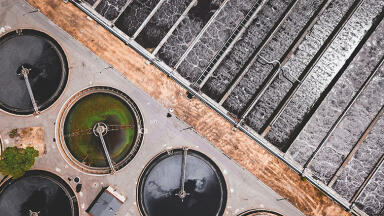
wastewater treatment plant has become the first system of its kind in the US to employ food scraps to clean household
wastewater.
Recent
environmental legislation has incited the East Bay Municipal Utility District (EBMUD) in San Francisco to introduce a way of generating renewable energy using leftover scraps of food.
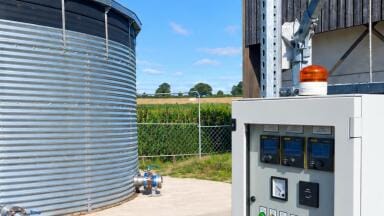
Waste treated at the EBMUD's core treatment plant is decomposed in anaerobic digesters, which capture the biogas from the food and use the methane within to power the plant.
The city recently passed a compulsory composting law - also the first of its kind nationwide - which requires locals to step up their composting efforts.
Citizens and businesses are expected to help the authorities in reducing the amount of food waste sent to landfills, which are the second largest source of human-caused methane in the country.
In related news, last week it was reported that scientists in Oregon and Washington had been testing
wastewater for traces of drugs such as cocaine, ecstasy and methamphetamine.



 Product directory





















.jpg)