PFAS analysis
Published over 4 years ago. See the latest and most current information on PFAS analysis.
PFAS have been under a magnifying glass for some time now. At the time of their discovery, PFAS was being closely watched due to its unique features. Since then, PFAS structures with different qualities have been developed. Today, PFAS are being closely monitored due to being bio- accumulative and persistent. This results in both environmental and health issues. While over 5000 different PFAS structures are currently known, only 250 types are of such interest that they should be monitored. However, this number is growing. Due to their posing risks, new applications are being released monthly.
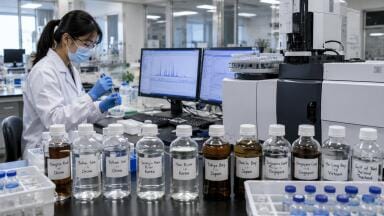
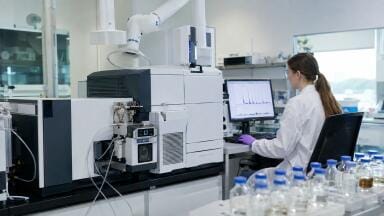
Most new methods focus on extracting PFAS from soil- and water samples. The latest detectors and SPE methods are advertised across the market. Most samples are analysed using LC/MS. The sampling of PFAS in water is well described in ISO 21675. The detection of PFAS in air is not yet well described. It has been shown that PFAS can have an atmospheric residence time of up to 80 days. There are methods available that include sampling PFAS on Thermal Desorption tubes, they are being analysed with TD-GC-MS. However, they do exclude some specific PFAS types.
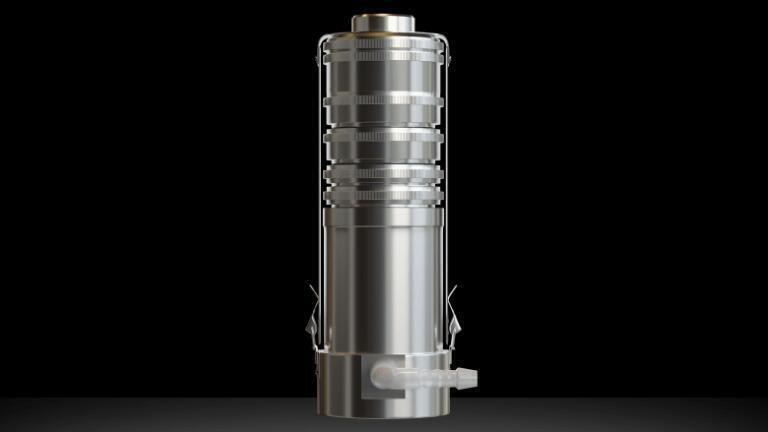
PFAS in air comes in different forms, neutral and ionisable. It has been suggested in several articles that the composition of PFASs forms in the air is different from the composition after having been collected by sampling equipment. In collaboration with Dr. Yamashita, co-author of ISO 21675, an air sampler, the FM4, has been developed by GL Sciences BV to address this issue. The FM4 is designed as a cascade impactor, followed by a PUF filter. The last filter used is a newly developed GAIAC ™ filter. Once collected, the PFAS can be extracted by washing all filters. The used analysis techniques are both LC/MS and GC/MS for the different filters.
While the damage that is done by all the different PFASs is still not fully understood, the awareness of the PFAS risks have grown significantly. The FM4 is the first huge step in recovering the presence of PFAS in air. For more information on the FM4, please visit GL Sciences.
IET 36.5 Sept/Oct 2026



 Product directory