Noise monitoring
Published over 13 years ago. See the latest and most current information on Noise monitoring.
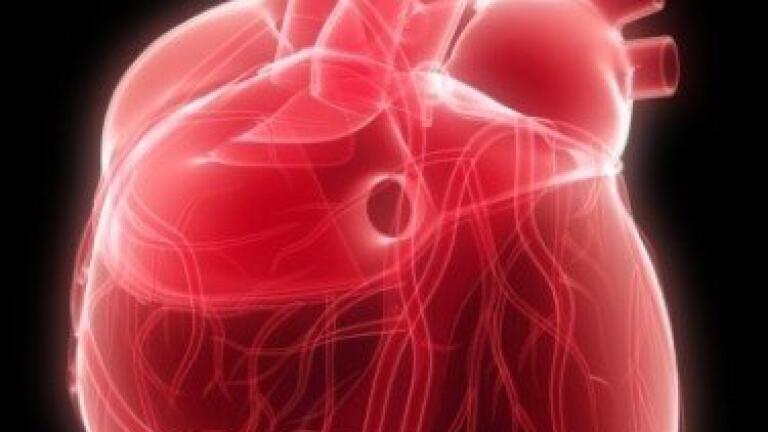
A new German study has shown that there is a correlation between heart disease and both noise pollution and air pollution. The study has shown that both types of pollution are individual factors in the development of cardiovascular disease.
The study, which took place in the Ruhr region of Germany, looked at both forms of pollution simultaneously in relation to thoracic aortic calcification - the hardening of the arteries. It was led by Doctor Barbara Hoffman, an environmental epidemiology professor at the IUF Leibniz Research Institute for Environmental Medicine, and involved data taken from the Heinz Nixdorf Recall population study.
Dr Hoffman said: "Many studies have looked at air pollution, while others have looked at noise pollution. This study looked at both at the same time and found that each form of pollution was independently associated with subclinical atherosclerosis."
The 4,238 participants of the study were both male and female and had an average age of 60. The participants came from three cities within the Ruhr region. The researchers accounted for factors such as gender, age, alcohol use, physical activity and smoking status among others that could affect the study. The level of pollutants participants were subjected to was calculated using the EURopean Air Pollution Dispersion (EURAD) model.
The researchers found that both noise and air pollution had an effect on the amount of thoracic aortic calcification present in the participants. Air pollution was found to increase arterial hardening by 20 per cent and noise pollution increased it by eight per cent.
Dr Hoffman said: "Both exposures seem to be important, and both must be considered on a population level, rather than just focusing on one hazard."
It was found that study participants younger than 65 years old had a higher rate of thoracic aortic calcification. It was also more prevalent in participants already suffering with a form of coronary artery disease.
IET 36.5 Sept/Oct 2026




 Product directory























.jpg)