Microplastics analysis
Published over 3 years ago. See the latest and most current information on Microplastics analysis.
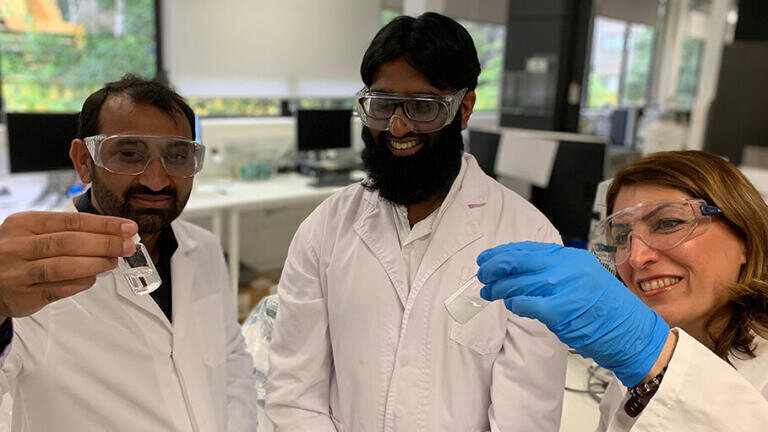
It can take several days to remove microplastics from water however, researchers from the Royal Melbourne Institute of Technology (RMIT) have developed an economical and sustainable solution that achieves better results than conventional methods in just an hour!
The solution is based around adsorbents, in the form of a powder, that extract microplastics up to 1,000 times smaller than those currently detected in wastewater treatment plants.
The adsorbents have been tested successfully the in the lab, and the team from RMIT plan to work with the water sector to develop the innovation to remove microplastics from waterways cheaply and effectively.
Professor Nicky Eshtiaghi, one of the project’s lead researchers, stated, “The nano-pillar structure we’ve engineered to remove this pollution, which is impossible to see but very harmful to the environment, is recycled from waste and can be used multiple times. This is a big win for the environment and the circular economy.”
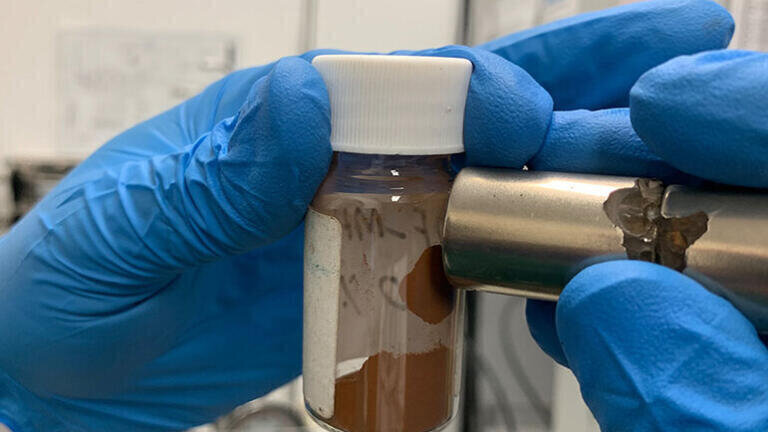
The adsorbent was developed using nanomaterials that can be mixed into water and they in turn attract microplastics and dissolved pollutants.
First author and PhD candidate from the RMIT’s School of Engineering, Muhammad Haris said that, as the nanomaterials contained iron, magnets separate the microplastics and pollutants from the water quickly and easily.
Co-lead researcher Dr Nasir Mahmood, co-lead researcher from RMIT’s School of Science commented “The adsorbent is prepared with special surface properties so that it can effectively and simultaneously remove both microplastics and dissolved pollutants from water. Microplastics smaller than 5 millimetres, which can take up to 450 years to degrade, are not detectable and removable through conventional treatment systems, resulting in millions of tonnes being released into the sea every year. This is not only harmful for aquatic life, but also has significant negative impacts on human health.”
Professor Eshtiaghi added “Our powder additive can remove microplastics that are 1,000 times smaller than those that are currently detectable by existing wastewater treatment plants. We are looking for industrial collaborators to take our invention to the next steps, where we will be looking at its application in wastewater treatment plants.”
IET 36.5 Sept/Oct 2026


 Product directory