Gas detection
Published over 13 years ago. See the latest and most current information on Gas detection.
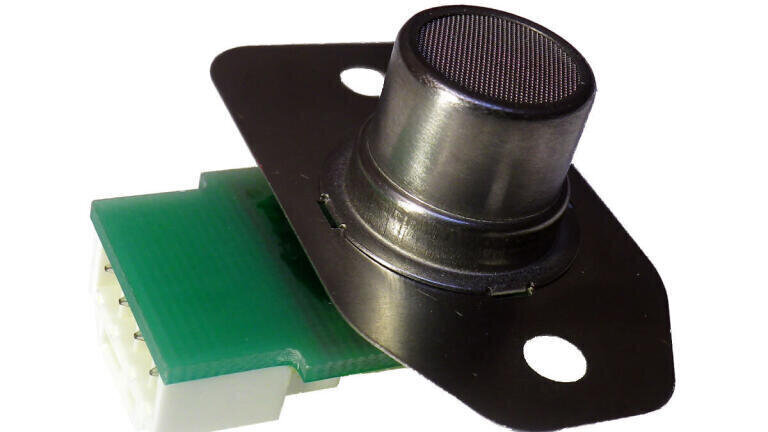
Nemoto Sensor Engineering Co. Ltd (Japan) has developed a catalytic gas sensor designed to continually monitor for excessive levels of carbon monoxide and hydrogen in the flues of residential water heating boilers. The NAP-79A sensor works with a special circuit which allows the sensor to work effectively and continuously across a very wide temperature range, up to 260ºC. The sensor can therefore be mounted directly in the flue.
In the event of a fault resulting in incomplete combustion caused by, for example, a partially blocked flue, higher levels of carbon monoxide (CO) and hydrogen (H2) become present in the flue. High levels of these gases in the flue is a potential safety hazard, and also indicates that the boiler is working at lower than normal efficiency. The NAP-79A works in conjunction with the software of the boiler to provide an alert when the levels of CO and H2 exceed safe or efficient levels, to facilitate an automatic shutdown of the boiler and/or flag the owner that maintenance is required.
This technique is widely and successfully used by manufacturers of residential water heaters in Japan, and can now also be used in Europe to comply with the continuous monitoring aspects of European standards for water heating boilers.
IET 36.5 Sept/Oct 2026

 Product directory