Gas detection
Published over 12 years ago. See the latest and most current information on Gas detection.
Air Separation Unit
Hydrogen Measurement in Deoxo Skid
Technical Background
At a large company specializing in air separation, the thermal conductivity analyzer used for the hydrogen measurement was not providing the desired accuracy due to the fluctuating, multi-component nature of the process stream. As the TCD analyzer reached the end of its life, the site engineers began looking for a superior hydrogen analyzer to replace the aging unit.
The H2scan Solution
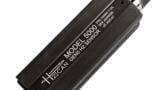
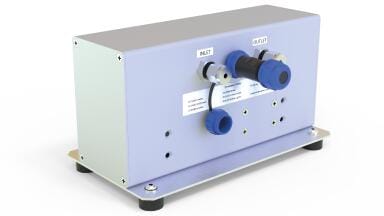
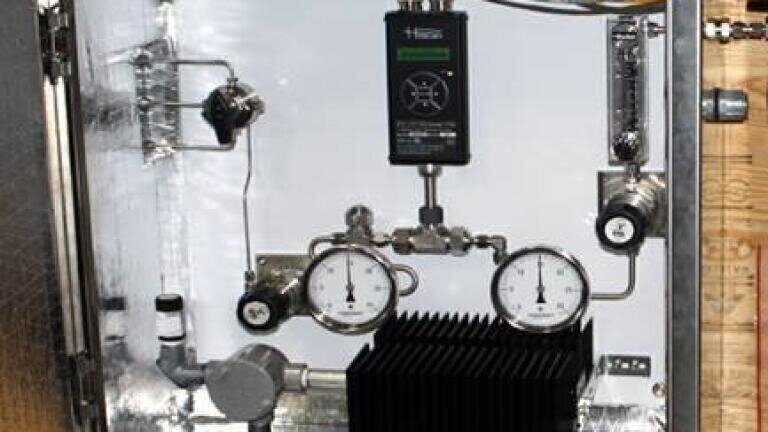
H2scan’s HY-OPTIMA™ Model 1700AS was selected, which included the H2scan 1700 analyzer (ATEX/UL Hazardous Area) and a turnkey sample system. The analyzer system product enabled direct installation at the measurement point on the deoxo skid. Previously, the sample had to be transported from the tap point to a climate controlled shelter to accommodate the TCD’s operating requirements. The result was a complete hydrogen measurement solution, fully supported by H2scan that provided better accuracy and better response time than the previous TCD analyzer.
Based on the feedback from the site, H2scan analyzers have been selected to replace all thermal conductivity hydrogen analyzers on the company’s deoxo skids within the US.
APPLICATION DETAILS
Hydrogen level must be maintained within a specific range on the deoxo skid outlet
Too much hydrogen causes excess heat on the catalyst bed
Too little hydrogen results in oxygen entry - an impurity that cannot be allowed out of the skid
Loss of excess hydrogen analysis in an argon production skid will halt operation of the skid
H2SCAN SPECIFIC ADVANTAGE
Accuracy: due to the number of gases present (Ar, O2, N2, H2) and the binary component assumption of the thermal conductivity measurement technique, a TCD will inherently be less accurate. The TCD accuracy loss for this application is substantial given the range of interest. The H2scan analyzer will provide much better accuracy (+/- 0.3%).
IET Guide 2026

 Product directory