Gas detection
Published over 12 years ago. See the latest and most current information on Gas detection.
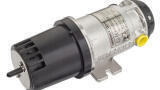
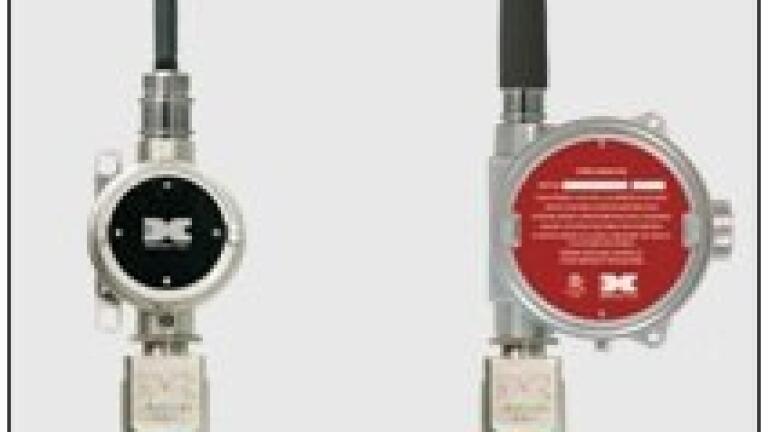
Detcon (USA), an IST company, is pleased to announce that its CXT-Series SmartWireless gas detectors are now cCSAus - Class I, Division 1 approved. Available in two versions the CXT-IR is equipped with an infrared sensor for monitoring combustible hydrocarbons and the CXT-DM is fitted with an electrochemical sensor for monitoring toxic gases and oxygen. Both versions underwent stringent testing and evaluation and were found to be safe and reliable by CSA International according to the required CSA and UL standards.
Detcon's SmartWireless gas detectors operate at a frequency of 2.4GHz, have a 2 mile line-of-site communication capability, and use an innovative “Mesh Network” topology that allows each device to operate as a repeater within the network, ensuring redundant and reliable communication at all times. In addition, the SmartWireless CXT-300 models are equipped with the most advanced innovation in network safety. Designed with Detcon's patent-pending "Fault Tolerant Safety Network" technology, any device in the network can operate as a master device, eliminating any single-point of failure of the network.
Power to the CXT gas detectors is supplied by disposable or rechargeable battery options that provide up to nine months of continuous operation on a single charge and indefinite run times with solar power options. The CXT gas detectors are a key part of the very popular Site Sentinel System - a stand-alone wireless gas detection system that offers quick deployment for semi-permanent and temporary gas monitoring applications.
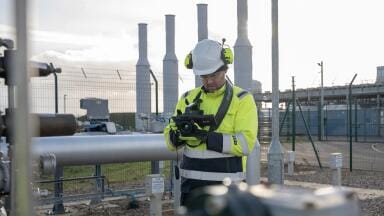
CXT Series gas detectors are designed for use in heavy industrial environments and are especially suitable for mobile applications. These "environmentally bulletproof" field devices include an electro-polished 316 stainless steel housing with fully encapsulated electronics and dual layer surge protection. These details in design virtually eliminate the threat of outside damage to internal components due to water ingress, corrosion, vibration and transient spikes.
IET Guide 2026

 Product directory