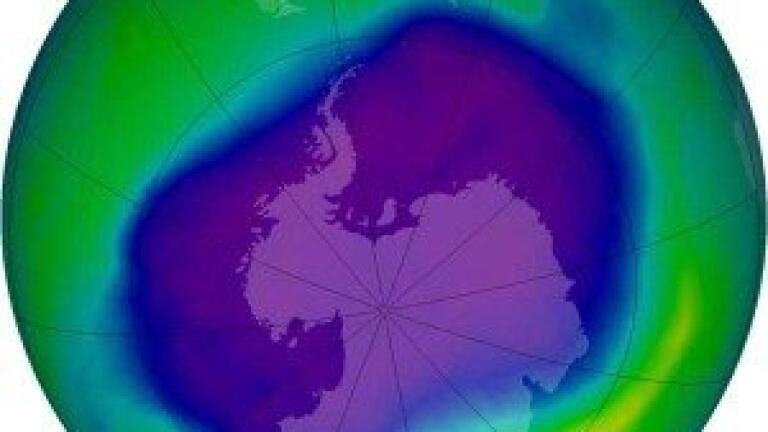
Environmental analysis into the state of the ozone layer over the Arctic has thrown up some worrying results.
Figures have suggested that up to 80 per cent of the ozone situated 13 miles above the Earth's surface has been lost - the worst statistics ever recorded in this area.
Researchers - who published their findings in the scientific journal Nature - are concerned about the size of the hole and have suggested that dangerous ultra-violet rays from the sun could beam on to the affected areas.
It is thought that abnormally long spells of cold weather at high altitudes have been behind the gap. This has traditionally been more common in the Antarctic until this year.
"It was continuously cold from December to April and that has never happened before in the Arctic," commented Dr Michelle Santee of Nasa's Jet Propulsion laboratory.
Last week, it was announced that a US-funded project would assess the impact of climate change on Mount Everest, after experts suggested that the ice on some of the approach routes had melted.
Posted by Joseph Hutton





 Product directory