CEMS
Published over 11 years ago. See the latest and most current information on CEMS.
Parker Kittiwake (UK), part of the Parker Hannifin Corporation and supplier of Continuous Emissions Monitoring Systems (CEMS) for marine applications, has doubled its manufacturing capacity in direct response to a sizeable increase in industry demand ahead of the imminent 2015 ECA deadline.
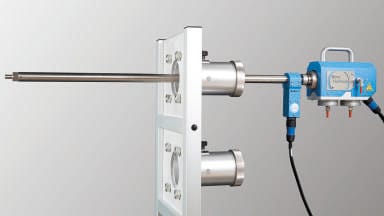
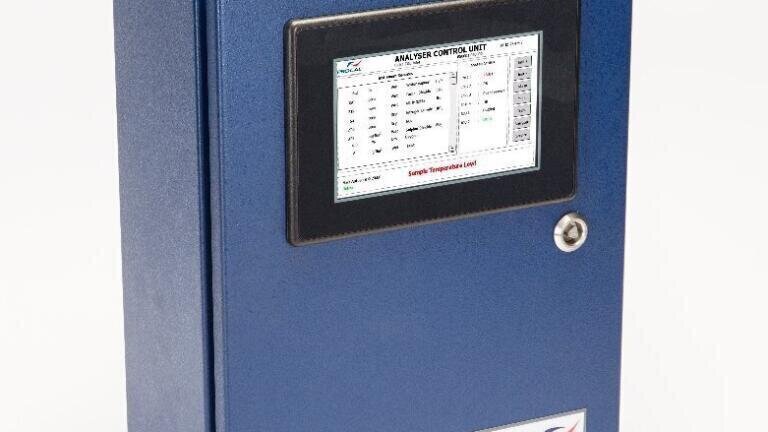
In-situ CEMS are the most effective method for measuring emissions, and continuous monitoring of sulphur emissions is one of two methods that can be used to verify the scrubbers’ performance, according to IMO guidelines. Exhaust gases from the combustion of residual and distillate fuels can be analysed, demonstrating compliance to the relevant authorities in a receiving port both in ECAs and in international waters. In contrast to extractive sampling where a gas sample needs to be physically extracted from the system for analysis, ‘in-situ’ monitoring provides a continuous, real time measurement of the content of your exhaust gases, with data provided instantaneously on a display that can be installed in the engine room and on the bridge.
Working with nine of the leading scrubber manufacturers, as scrubber orders have mushroomed, so too have orders for Procal’s analysers. Procal has made significant investment in production equipment and database automation, streamlining its manufacturing process and enabling the company to reduce lead-times to ensure that CEMS analysers can be supplied to a rapidly growing global customer base. Additional capacity has also been created through extended manufacturing hours to ensure Procal is able to meet increasing industry demand. As a result, the company has already increased its operational output by 50% over a short time and production capacity continues to grow as new efficiency opportunities are identified and applied.
Chris Daw, commenting for Procal, said: “As the Jan 2015 ECA deadline looms, growing numbers of ship-owners are installing scrubbers to achieve compliance. We are proud to work with nine of the leading scrubber manufacturers and are supporting their increasing orders by doubling our production capacity.”
Many in the industry have raised concerns over the ability of bunker delivery notes to verify compliance with sulphur limits and have suggested that continuous monitoring technologies that measure emissions directly during the entire journey should be installed on all ships.
Daw commented: “Ship-owners will be soon be under significant pressure to prove compliance or else face significant fines they can ill-afford. In-situ CEMS can measure up to six exhaust gases such as SO2, CO2 and NOx. The analysers are connected to a data acquisition system, which displays, data logs and re-transmits the monitored concentrations and SO2:CO2 ratio - in accordance with IMO regulations - without manual intervention. This linked with the low maintenance requirements makes it an ideal marine monitoring system.”
IET 36.5 Sept/Oct 2026


 Product directory




.jpg)













.jpg)