Air monitoring
Published over 13 years ago. See the latest and most current information on Air monitoring.
Deterioration in air quality through Hong Kong has been linked to 1,600 premature deaths throughout the first six months of 2013, according to new research from the Clean Air Network. The research found that air quality in Hong Kong was greatly affected by increases in the levels of nitrogen dioxide, sulphur dioxide, suspended particulates less than ten micrometres wide (PM10) and fine particulates of under 2.5 micrometres wide (PM2.5).
The increase in these four substances has led to an estimated 40 times more deaths than were caused by the H7N9 avian flu virus. Most of the 14 monitoring stations throughout the city of Hong Kong recorded levels of PM2.5, nitrogen dioxide, PM10 and sulphur dioxide at levels that were above the annual air quality guidelines set by the World Health Organization. The only monitoring station that recorded a level that did not exceed guidelines was Tap Mun, which recorded lower levels of nitrogen dioxide.
The Clean Air Network based the research upon figures recorded by the Environmental Protection Agency throughout the first half of the year. These figures showed that nitrogen dioxide levels were recorded at an increase of double digit figures at all but two of the monitoring stations in the city. The Central and Western district of Hong Kong experienced the worst increase in nitrogen dioxide levels, recording a 22 per cent rise to 65 micrograms per cubic metre in comparison to recorded levels of 53 micrograms per cubic metre recorded in 2012.
The areas that are most affected by high levels of nitrogen dioxide - which is a strong indicator of traffic related air pollution - were Mong Kok, Central and Causeway Bay; which have been the worst areas for poor air quality for a number of years. The levels of nitrogen dioxide recorded in these areas were 118, 127 and 119 micrograms per cubic metre,respectively.
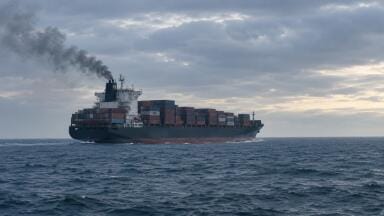
Marine emissions tend to be measured by the levels of sulphur dioxide and the area worst affected by this form of air pollution was Kwai Chung, which experienced a 64 per cent increase to 24 micrograms per cubic metre. The World Health Organization's annual average guideline for sulphur dioxide is five micrograms per cubic metre.
The air quality recorded throughout Hong Kong has grown worse overall, but the Tung Chung area of the city has experienced a slight improvement in air pollution levels. However, it still records levels that are above the World Health Organisation's guidelines.
IET Guide 2026

 Product directory



















.jpg)