Air monitoring
Published over 13 years ago. See the latest and most current information on Air monitoring.
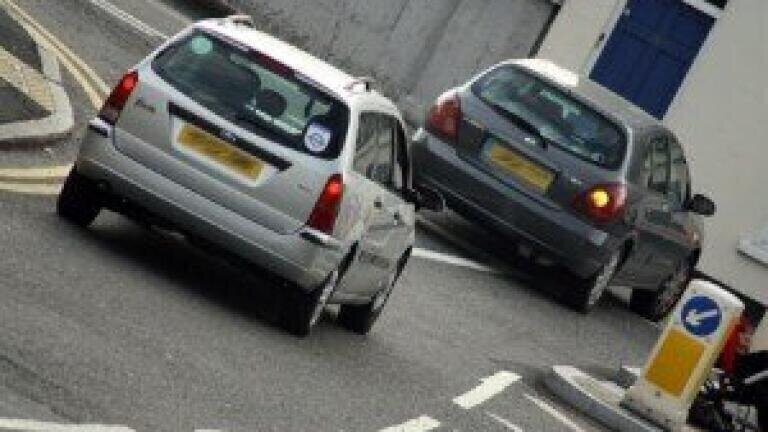
Planned road changes to a junction in Gloucestershire could cause air pollution problems for the region, it has been argued.
According to councillor Paul Hodgkinson and MEP Sir Graham Watson, proposals to improve the flow around the Air Balloon roundabout on the A417 near Birdlip could be a real danger for local residents.
The Highways Agency proposal would see drivers travelling on the A417 from Cirencester limited to just turning left while oncoming traffic would be able to drive in a much freer fashion.
It is designed to ease congestion and is currently being considered by Cotswold District Council but both men claim that the plan doesn't do enough to help locals with respiratory problems because of the junction.
Indeed, they want the agency to buy the houses local to it, claiming that this will "take away the air quality problem for those homeowners once and for all".
According to the Wiltshire and Gloucestershire Standard, councillor Hodgkinson continues to have grave concerns about the impact these plans would have on the local area.
"The proposed junction changes barely change the air pollution according to the Highways Agency’s own estimates," he is quoted as saying.
"Not only that but they may have a huge adverse impact on traffic levels in the surrounding villages and that’s why there must be a full consultation on them before any pilot happens."
It is believed that cabinet members at the council will want to see further measures to do with air quality monitoring as well as a public consultation from the Highways Agency before giving any sort of go-ahead on the project.
Despite the bad press the plan has received, the agency claims it will save around 8,000 minutes' worth of queuing time every day, which would have a positive effect on the environment.
However, concerns also linger about whether or not it would clog up roads in places such as Elkstone and Birdlip with drivers potentially looking to find alternative routes for their journeys.
IET Guide 2026

 Product directory


















.jpg)