Indoor air quality monitoring (IAQ)
Published over 12 years ago. See the latest and most current information on Indoor air quality monitoring (IAQ).
Waverton Analytics Ltd (UK) has launched a range of indoor air quality (IAQ) tests that will be of interest to professionals concerned with air quality in buildings, including environmental consultants, industrial hygienists, facilities managers, building surveyors and the insurance industry.
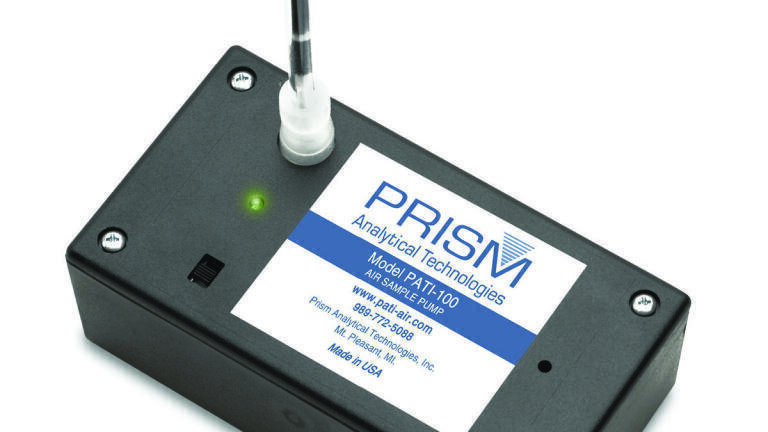
The range includes tests for volatile organic compounds (VOCs), formaldehyde and tobacco smoke and all involve “active” sampling, where air is pumped through a tube containing a sorbent material. The VOC test also includes the analysis of mould-specific VOCs (i.e. mould metabolites), which provides an effective means of screening for active mould growth within a building, including hidden mould.
Analysis of the thermal desorption tube samples is carried out using GC-MS in the case of VOC and tobacco smoke tests and Fluorescence Spectroscopy in the case of formaldehyde.
Results from each test are detailed in a comprehensive report with VOC test results reporting the total level of VOCs (TVOCs) detected as well as total mould-specific VOCs (TMVOCs) in the sample. VOC test reports also include a listing of the highest composition chemical species found as well as the levels of any hazardous air pollutants (HAPs) in the sample.
IET 36.5 Sept/Oct 2026


 Product directory




.jpg)