Water quality monitoring
Published over 3 years ago. See the latest and most current information on Water quality monitoring.
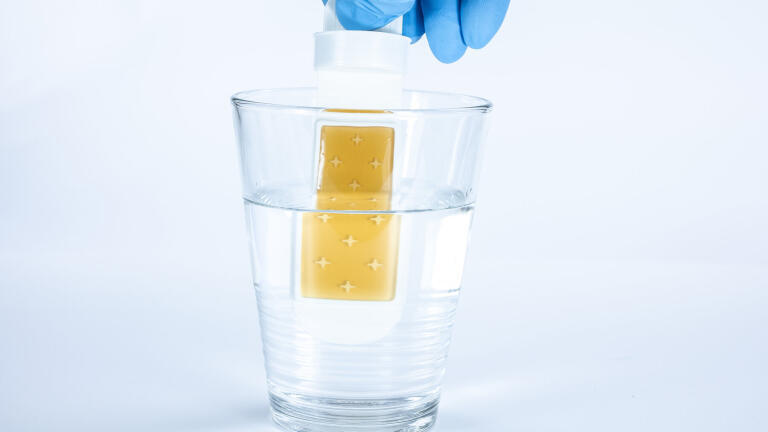
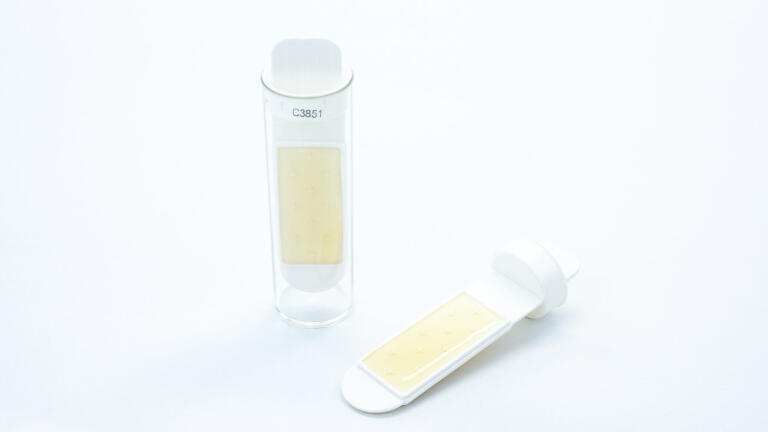
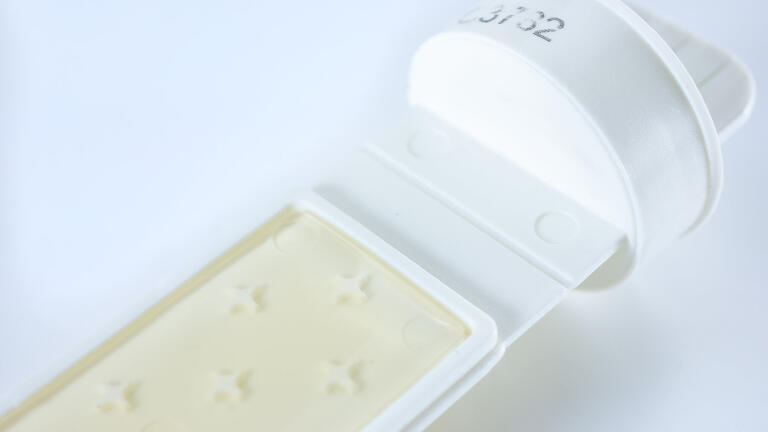
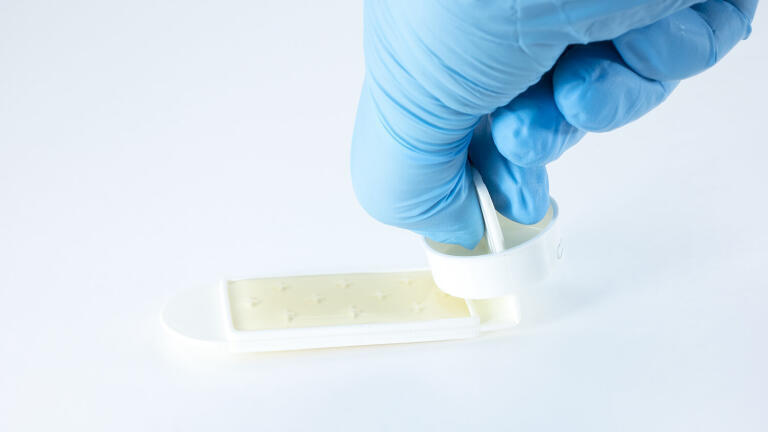
Microbes have favourable conditions in which they thrive. Unfortunately, these conditions are ideal in industrial processes where water is involved in any form. This is particularly the case in evaporative cooling water systems where microbes are abundant due to the concentration of nutrients through the system ‘cycling’, but also in further industrial water applications. The easiest and quickest way to get certainty about unwanted microbiological inhabitants are dipslides. They indicate the presence of microbes with semi-quantitative methods and thus enable prevention right in time.
But why are bacteria and microbiological infestations actually so dangerous for industrial systems? Due to the constantly wet surfaces the abundant growth of microbes leads to the formation of biofilm. These biofilms, if left untreated can result in biofouling, resulting in reduced plant efficacy and potentially reducing plant life.
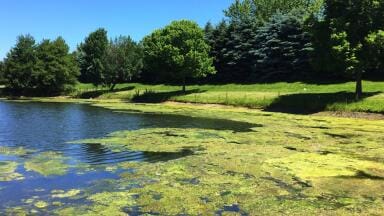
The microorganisms are generally common soil, aquatic and airborne microbes that enter the system either via make up water, process leaks or are scrubbed from the air and they vary depending on the source of water. That can be bacteria in a large variety. Spherical, rod shaped, spiral and filamentous forms are some of the more common species. Other sorts of microorganisms are fungi, often moulds and yeasts. They can also produce slime. Blue – Green algae are now classified with bacteria - Cyanobacteria. Green growths however are still responsible for blockage of screens and distribution decks.
All of them need to be controlled, but their control depends on whether they are in a planktonic (free floating) or sessile (attached) form. The sessile form is responsible for biofilm formation. The microorganisms that form them secrete polysaccharides when submerged allowing them to form a gel like network which prevents them being removed by the normal flow of water and hinders the action of a biocide, either oxidising or non-oxidising type. This is the reason the control of biofilms can require biocidal dosages many times higher than the control of planktonic species.
Once fouling has occurred in a system even mechanical cleaning cannot remove all traces of the biofilm. Surfaces that have previously been fouled are more susceptible to colonisation than new surfaces as residual biofilm materials promote growth and reduce lag time between fouling reappearing.
Some of the effects of biofilm:
It has therefore been considered to be “Best Practice” to use indicator organisms to gain a general overview of the overall microbiological condition of the water. Traditional methods have adopted standard agar plate count methods. They require to fulfil regulatory guidance, however, as the plate count method requires a laboratory, filtration set up and training in how to count the results. The simpler method for monitoring are agar dipslides. They form part of many legislative guidance papers in terms of routing microbiological monitoring. They are relatively inexpensive, easy to use and are available in multiple formats to optimise growth conditions and types of microbe. Lovibond® offers a wide range of dipslides. Their advantages:
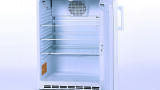
You can find more information about our dipslides, the Lovibond App for evaluation and incubators here.
IET Guide 2026

 Product directory