Sewage monitoring
Published over 5 years ago. See the latest and most current information on Sewage monitoring.
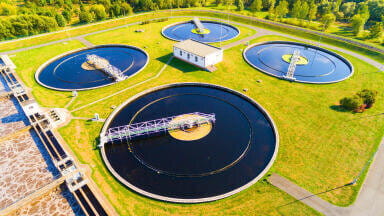
As a provider of a vital service to 28 million properties across the UK, the water industry faces challenges that most other sectors do not. With seven thousand water treatment facilities at their disposal and 569,000km of pipeline of infrastructure to maintain, keeping the whole operation ticking over is an impressive feat in itself. Historically, this has sometimes meant that environmental concerns take a backseat to practical ones.
However, the sector is very much aware of its environmental obligations today. From limiting the number of emissions it produces to preventing unwanted discharge of raw sewage into waterways, the water industry is committed to creating and adhering to a sustainable and eco-friendly business model. Here are some of the ways in which the industry affects the environment – and the changes they are implementing to curtail those impacts as much as possible.
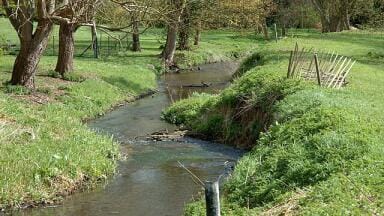
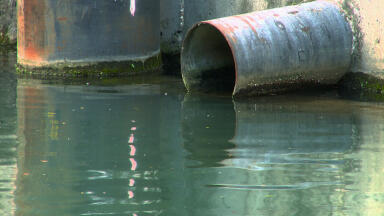
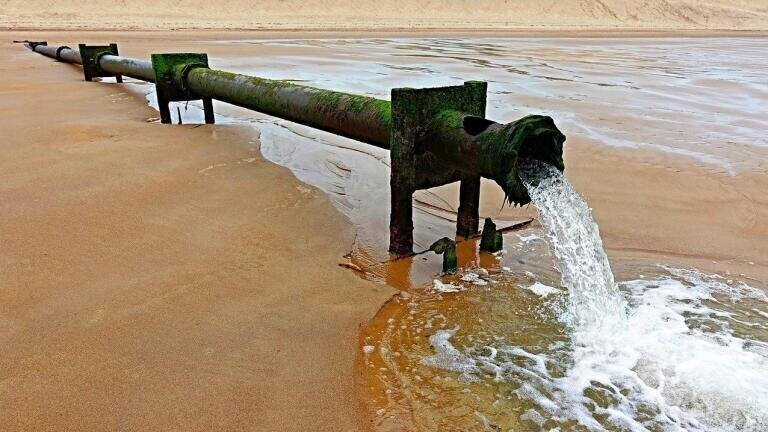
The primary effects of the water industry on the environment are twofold. The first is, unsurprisingly, water pollution. If companies fail to adequately maintain the condition of their sewers and effluent discharge systems, it can result in leaks, spillages and other unwanted discharge of raw sewage into rivers, lakes and other bodies of water. This not only negatively impacts the florae and faunae which inhabit those ecosystems, but also potentially jeopardises the safety of drinking water supplies.
The second area in which the water industry affects the environment regards its emissions. The aforementioned treatment facilities and accompanying infrastructure involve the consumption of vast amounts of energy and the emission of significant volumes of greenhouse gases. These compromise the quality of the air surrounding the site in question, as well as contributing to the phenomena of global warming and climate change.
Cognisant of these undesirable outcomes, the water industry is taking steps to clean up its act. Tighter legislation, greater company reporting and improved enforcement has seen the number of sewage pollution incidents drop over time. In 2014, for example (the last year for which comprehensive figures have been published), there were just two pollution events for every 10,000km of sewage pipeline. That’s a 50% improvement on the three incidents experienced in the previous year. Minor incidents were also on the wane, down from 83 per 10,000km in 2013 to 71 per 10,000km in 2014.
Meanwhile, the water industry has recently published a route map towards achieving net-zero emissions by 2030. By employing the latest technologies to enable a net-zero state of play, the industry is confident of complying with its goals a full two decades before the UK’s government binding targets come into force. Significant progress has already been made in this regard, with the 2.4 million tonnes of carbon emitted in 2020 a 45% improvement from the total emissions experienced in 2010.
For more information on how your company can play its part in limiting the water environmental impact of the water industry, please see our Buyers Guide. This has a range of tools capable of monitoring its performance and cleaning up its environmental profile.
IET Guide 2026

 Product directory