Sewage monitoring
Published over 14 years ago. See the latest and most current information on Sewage monitoring.
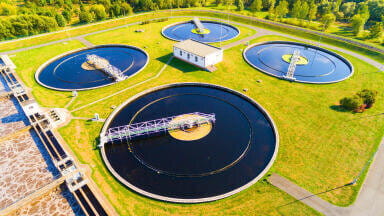
Initial tests carried out at a bio-hydrogen plant in Izumo City, Japan indicate sludge from sewage treatment plants could be used to power cars.
Tests are being carried out as part of a project run by the HIT Business Research Group, which is seeking alternatives to fossil fuels.
The group is targeting the conversion of biomass sewage sludge into hydrogen on a commercial scale, using the Japan Blue Energy Company's (JBEC) Blue Tower technology, within three years.
While past tests have shown the technology is capable of converting sludge into gas with a high hydrogen concentration, this has only been on a small scale.
Tests run at the verification plant will be used to develop a methodology and production model for use on a commercial scale.
The HIT group, which also includes Misui Chemicals and Daiwa Lease, hope they will have a commercial solution available by 2015.
With many automakers such as Honda, Hyundai, Nissan and Toyota planning expanded fuel cell vehicle production over the next few years, the implications for waste treatment are impressive.
Treating sewage sludge as a commodity will offer an additional incentive for companies processing waste to ensure it is effectively and efficiently removed and collected.
The Blue Tower process uses alumina balls to heat the biomass material - such as sewage sludge. This generates biogases, which are heated once again by the balls to produce a gas with a higher hydrogen concentration.
Because the balls are so effective in this process, it prevents common problems associated with this kind of procedure, such as blockage caused by tar.
The traditional method for producing hydrogen for commercial use requires the extraction of liquefied natural gas, which is an expensive and complicated process.
The consortium has told Japan's Nikkei Business Daily that extracting hydrogen from sewage is cheaper and more environmentally friendly than traditional methods.
Posted by Lauren Steadman
IET Guide 2026

 Product directory