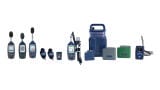
A Personal Gas Monitor, also known as a portable gas detector or personal gas detector, is a compact, wearable device used within the petrochemical sector to provide individual workers with real-time protection against exposure to hazardous gases. These monitors are designed to be worn by personnel working in potentially dangerous environments, such as refineries, chemical plants, or confined spaces.
Personal Gas Monitors are compact and lightweight, often clipped to a worker's clothing or carried in a pocket or on a belt. They are equipped with sensors capable of detecting specific gases or a range of hazardous gases, including hydrogen sulfide (H2S), carbon monoxide (CO), oxygen (O2) levels, and volatile organic compounds (VOCs).
The primary purpose of a Personal Gas Monitor is to alert the wearer to the presence of dangerous gases, allowing them to take immediate action to protect themselves. When the monitor detects gas concentrations exceeding safe levels, it typically emits audible and visual alarms, and some models may also include vibration alerts. This early warning system enables workers to evacuate, don protective gear, or implement safety procedures, reducing the risk of exposure and potential harm.
Personal Gas Monitors are an essential component of safety protocols in the petrochemical sector, providing individual workers with an added layer of protection in environments where gas hazards are a constant concern. These portable devices are crucial for ensuring the well-being of personnel working in potentially perilous conditions.
IET 36.2 Mar/Apr 2026



 Product directory












.jpg)