Personal gas detector
Published over 4 years ago. See the latest and most current information on Personal gas detector.
Semiconductors require precise and careful fabrication, and the potential for exposure to VOCs (volatile organic compounds) during the process calls for the highest standard of sensors and monitoring – something ION Science, as leaders in PID (photoionisation detection) technology, can deliver.
Employing the highest level of sensor monitoring in the semiconductor manufacturing facilities (known as fabs) is the best way to ensure product uniformity and to reduce the risk of defects from VOCs. Sensor monitoring in fabs has the added benefit of protecting workers, those who are working directly with the semiconductors and wafers, and local communities by monitoring and controlling off site emissions.
Worker risk is highest in cleanrooms, where a variety of chemicals are used throughout the stages of creating the wafers. Potential VOCs that workers could be exposed to include ethylene glycol, trichloroethylene and xylene, whilst as a result of certain processes, there is a risk of benzene and formaldehyde exposure. As all of these pose serious health risks, even in low concentrations, monitoring for VOCs and protecting the health of workers takes a high priority in the fabs.
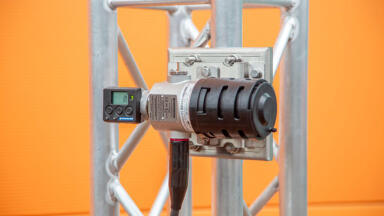
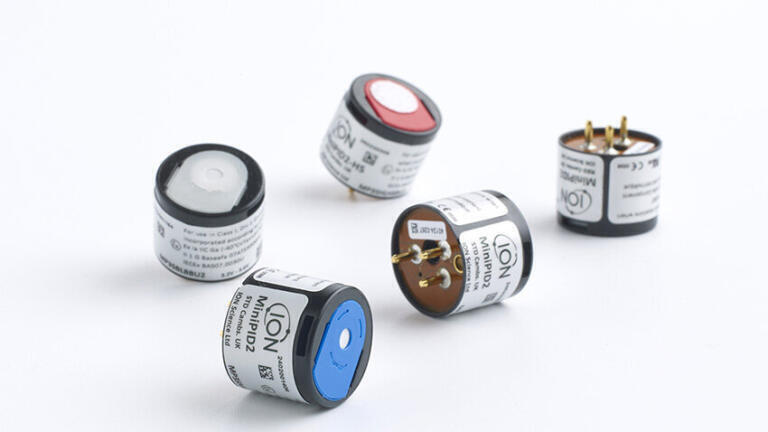
As experts in VOC monitoring and PID technology, ION Science have supported many semiconductor facilities in establishing appropriate monitoring technologies. ION Science’s leading range of MiniPID2 sensors, are renowned through the industry as the PID sensor of choice for monitoring and instrumentation. With a range of personal, portable and fixed instruments suitable for use in fabs, ION Science can protect everything from individual workers through to whole sites and units.
ION Science continues to support the semiconductor industry with a range of high-quality sensors and instrumentation that protect against VOC exposure. In a new and exclusive guide, ION Science discusses the role of VOCs in semiconductor fabrication, and how to better understand the processes and ways of protecting sites and workers. Download the full guide and learn more about how ION Science is supporting the semiconductor industry with leading PID technology.
IET Guide 2026

 Product directory