Showing 37 to 48 of 158 results
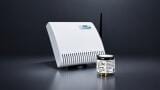
Indoor Air Quality (IAQ) monitors are essential tools used to assess and improve the air quality within indoor environments such as homes, offices, schools, and healthcare facilities. These devices detect and measure various pollutants and environmental parameters that can impact health, comfort, and productivity. Indoor air quality is a significant aspect of environmental health, considering most people spend a considerable amount of their time indoors. Poor IAQ can lead to a range of health issues from minor irritations like headaches and eye discomfort to more severe problems like respiratory diseases and long-term health effects.
Key components and features of indoor air quality monitors include particulate matter (PM) Sensors, which measure levels of particulate matter such as PM2.5 and PM10. These small particles can penetrate deep into the respiratory system, causing health problems. Gas sensors in IAQ monitors detect various gases like carbon monoxide (CO), carbon dioxide (CO2), volatile organic compounds (VOCs), and formaldehyde. High levels of these gases can indicate poor ventilation and various health risks. Additionally, humidity and temperature sensors in these monitors are crucial since both significantly affect indoor air comfort and health. High humidity can lead to mold growth, while low humidity can cause dry skin and respiratory issues. Temperature also affects comfort levels indoors. Some advanced IAQ monitors can detect mold spores, a significant concern for indoor air quality, especially in damp or humid environments. Air exchange rate monitors assess how effectively outdoor air replaces indoor air, crucial for diluting indoor pollutants and maintaining healthy air quality.
IAQ monitors can range from simple, standalone devices to complex systems integrated into smart home or building management systems. They provide real-time data, crucial for identifying air quality issues, improving health, enhancing comfort and productivity, guiding ventilation and air purification, and raising awareness about indoor air quality. Detecting elevated levels of pollutants or poor environmental conditions, mitigating potential health risks, optimizing temperature, humidity, and air quality, and promoting understanding of indoor air quality issues among occupants are some of the key functions of these monitors. In summary, indoor air quality monitors are vital for maintaining healthy and comfortable indoor environments, providing valuable insights into air quality, and helping to identify and mitigate issues impacting health and well-being.
IET 36.5 Sept/Oct 2026




 Product directory
















.jpg)



.jpg)