Since carbon dioxide (CO2) acts as an indicator of indoor air quality (IAQ), J. Dittrich Elektronic (Germany) has developed a series of two-beam infrared measuring systems (NDIR) for demand-controlled ventilation (DCV), which detect the CO2 content of the ambient air fast,
precisely and specifically. Thanks to a patented innovation, in contrast to conventional two-beam infrared photometers they are affordable, light, compact, robust and long-term stable. They are easy to operate, proven in practice and maintenance-free in normal applications. Calibration is not usually necessary as the second infrared beam serves as internal reference!
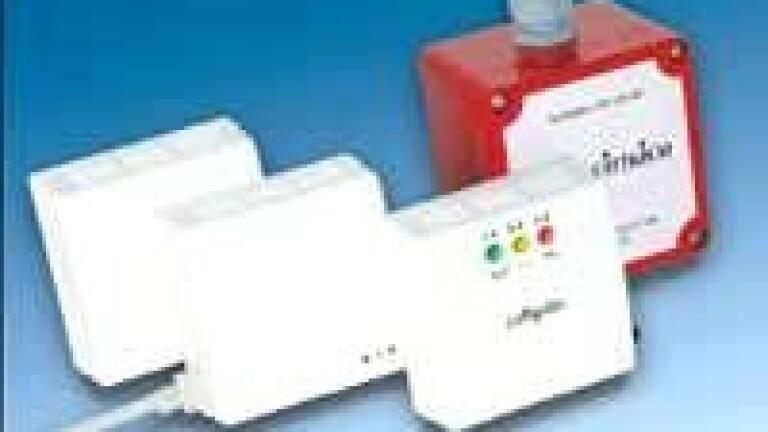
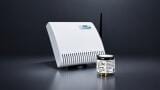
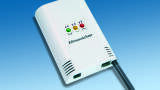
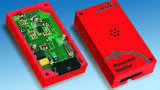
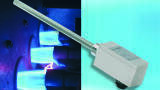
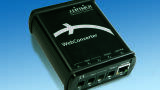
The CO2 measuring systems are available in various designs for rooms with and without a ventilation system. The “air quality signal†prompts ventilation by means of optical and acoustic signals when the air in the room has become stale. The MF420-IR-X measuring systems output the measured value via a continuous 4-20mA signal or two relay contacts, and in this way are able to control a ventilation or air conditioning system. The network-compatible "climate guard" measures in addition to CO2 also the temperature, relative humidity and, optionally, air pressure. Its digital measurement signals (Ethernet protocol) are used in automated buildings to control the room climate.
Over ventilation resulting from ventilation or air conditioning systems running at high speed is avoided, as the CO2 exhaled by a room's occupants indicates how many people are in fact currently in the room.
Likewise under-ventilation, because CO2 acts as an indicator of the chemical cocktail that forms in the room, made up of human perspiration as well as volatile organic substances in the fixtures and fittings, and which has a lasting negative effect on people's health and wellbeing.
Demand-controlled ventilation (DCV) dependent on the carbon dioxide concentration in indoor air saves energy and aids adherence to the European Energy Performance of Buildings Directive (EPBD). At the same
time it ensures a healthy indoor climate.



 Product directory













.jpg)





.jpg)