Health & safety
Published over 11 years ago. See the latest and most current information on Health & safety.
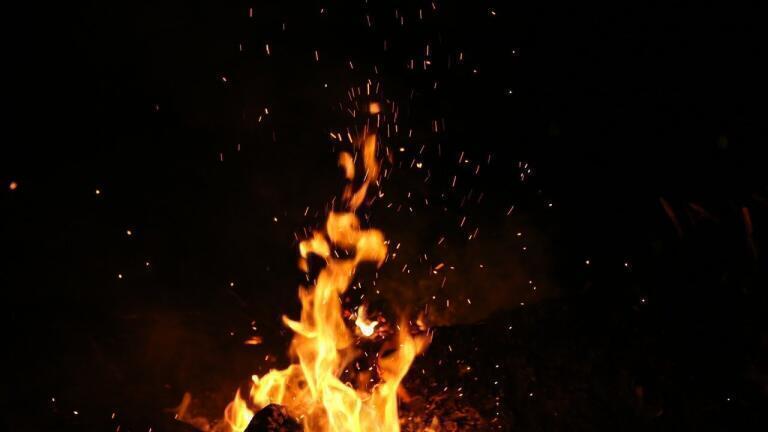
Waste fire tests are controlled experiments in which large quantities of different types of waste material will be purposely combusted to determine proper conditions for waste storage. As well as providing an insight into optimum stack sizes, distances and ignition temperatures, the tests will also yield valuable information about the emissions given off by different materials.
The tests are due to take place sometime in the autumn of 2015, with the results being fed back into existing legislation and regulations by early 2016. They are being conducted by the Waste Industry Safety and Health (WISH), in collaboration with the Chief Fire Officers Association and the Environment Agency.
Obviously, materials and substances being kept in large quantities in an industrial setting need to be stored according to tried and tested regulations. These precautions obviously apply to the storage of hazardous materials in fire-protected cabinets, but are also pertinent to large amounts of waste and recycling material, too.
The potential for combustion among waste substances is incredibly high – nowhere more so than with waste timber and wood. The latest set of tests came about because WISH was recently criticised by the Wood Recyclers’ Association (WRA) earlier this year. The criticism was caused by stringent restrictions on wood storage placed upon recycling companies by WISH, which forced one recycling plant to close down its branches in Manchester and Middlesbrough. WRA argued that the regulations were “unscientific” and arbitrary and placed unreasonable demands on recycling companies.
WISH has responded by signalling its intention to conduct the first large-scale fire-tests in 40 years. Chairman of WISH Chris Jones explained the tests by saying they would provide an answer to WRA – though perhaps not a welcome one. “The tests will provide a scientifically-backed answer, so I can’t guarantee the wood recyclers are going to like it,” said Mr Jones. “The WRA has always said they are on board with the tests. Once we have the information, it will be hard to argue with it.”
As well as allaying the concerns of WRA, the new tests should also update regulations which have been in place since the 70s. By burning materials that simply weren’t around back then, WISH can better determine a variety of factors surrounding waste material storage, including:
The controlled tests will be invaluable in providing insight into proper storage methods for waste substances and reinforcing WISH’s regulations with scientifically-backed evidence.
IET 36.5 Sept/Oct 2026


 Product directory
















.jpg)









.jpg)