Groundwater monitoring
Published over 12 years ago. See the latest and most current information on Groundwater monitoring.
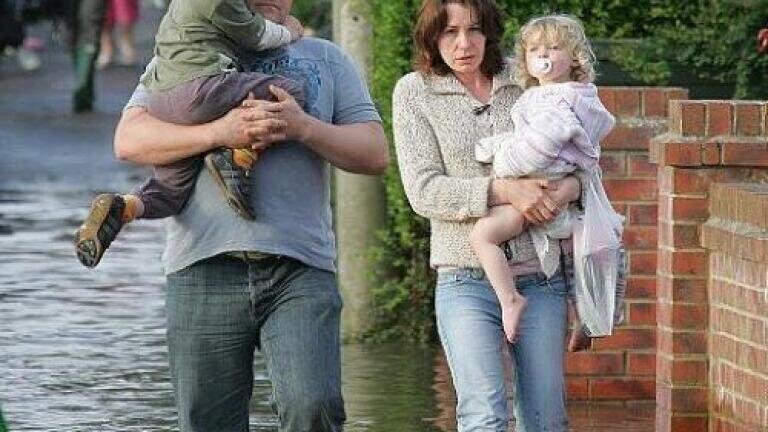
Large areas of the UK have been severely affected by flooding as a result of the recent storms. While the weather has largely settled, experts have warned that the flooding could last for weeks, if not months. As groundwater levels are so high in some areas of the country, flood waters may not recede for some time, according to the British Geological Survey (BGS).
Scientists have said that it is highly likely that flood waters will continue to rise even if the UK is lucky enough to experience no more rain. This is because the groundwater levels have been drastically raised by the high amount of rainfall, increasing the amount of water that is soaking through soil.
This could mean that groundwater flooding becomes a widespread issue. This kind of flooding is caused by the water having nowhere else to go due to the earth being so saturated. It will result in water seeping through the ground and could affect areas that have already experienced flooding.
The Met Office said in January that areas of England have seen the wettest month in over 100 years, since weather records began. It is expected that new figures will confirm that this winter has been the wettest seen since records started.
Jacobs, an engineering consultancy firm, said in 2004 that around 1.6 million homes are estimated to be at risk of groundwater flooding throughout Wales and England. The BGS has indicated that this estimation is still roughly accurate, meaning that many more people throughout the country could have to deal with their homes becoming flooded over the next few months.
Many people may be at risk from this type of flooding without being aware of it. It is likely that it will rise from floors and basements rather than flood through doors, meaning that it can occur with no, or very little warning.
According to the Environment Agency, homes that were constructed in areas containing low-lying chalk in the ground will be at the highest level of risk. Homes might also be affected by sewer and drain issues, as they could become overwhelmed.
IET 36.5 Sept/Oct 2026

 Product directory