Air monitoring
Published over 14 years ago. See the latest and most current information on Air monitoring.
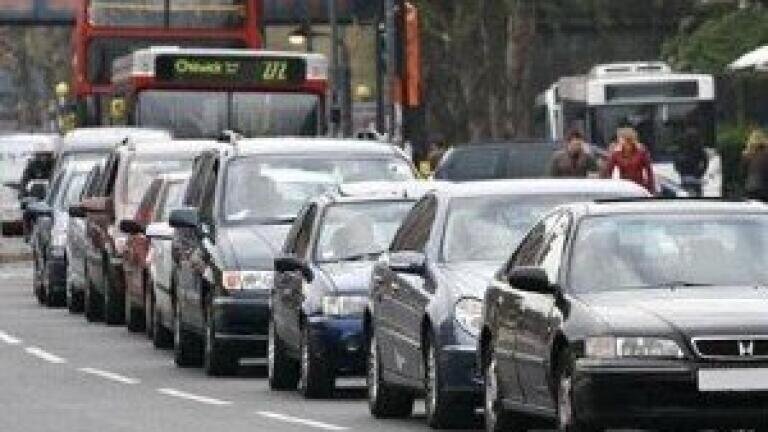
Air pollution caused by road traffic can increase the risk of pre-eclampsia in pregnant women by as much as a third, Australian researchers have discovered.
The results indicated those women already pre-disposed to pre-eclampsia, such as indigenous women and women with diabetes, could be at an even greater risk if exposed to traffic-related air pollution.
Lead author Dr Gavin Pereira, who did the research while at the Telethon Institute for Child Health Research, said: "Modest increases in exposure were associated with a 30 per cent increase in risk, and more-so among women with other major risk factors for pre-eclampsia."
Pre-eclampsia is a disorder that occurs only in pregnancy and post-birth and can be life-threatening for the mother and unborn child. It is not known what causes the disorder, but previous research has shown that it develops in later pregnancy and can impact on the mother's various
body functions such as the cardiovascular system, liver and kidneys.
Dr Pereira, now based at the Yale Centre for Perinatal, Pediatric and Environmental Epidemiology at Yale University, found that traffic pollution could be a significant contributor, and for those women living in urban areas, this could be unavoidable.
"It is infeasible for pregnant women to avoid this ubiquitous exposure," he says.
"Air pollution can be present even if you cannot see it or smell it. The obvious message for the public is to reduce your reliance on your car. Use public transit and switch to active modes of transport like walking and cycling."
In the study, Dr Pereira and colleagues took measurements of nitrogen dioxide to represent air pollution around Western Australia's Perth metropolitan area in 2010. They used a newly developed model to then predict the levels of the traffic-related pollutant at the residential addresses of the women in the year of their pregnancy.
Posted by Claire Manning
IET Guide 2026

 Product directory












.jpg)