Air monitoring
Published over 13 years ago. See the latest and most current information on Air monitoring.
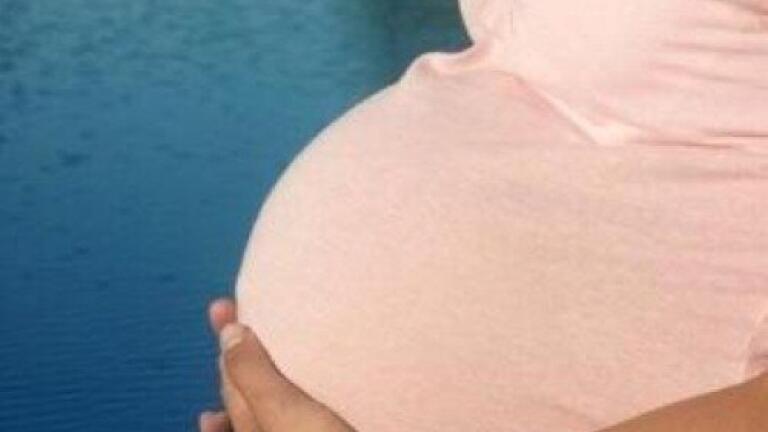
Living in an area with poor air quality significantly increases the chance of having an underweight baby, it has been revealed.
Indeed, researchers from Newcastle University looked at newborn weights in nine different nations, including Seoul, South Korea, Atlanta, Vancouver and British Columbia, and compiled the average levels of particulate air pollution which pregnant women were exposed to.
For every 20-unit increase in the number of tiny exhaust particles circulating in the air, babies were on average 9g lighter at birth, the researchers found.
Professor Tanja Pless-Mulloli, who led the UK arm of the study at the Newcastle University, said: "As air pollution increases we can see that more babies are smaller at birth, which in turn puts them at risk of poor health later in life."
Indeed, a baby that weighs less then 5lb 8oz (2.5kg) is more likely to suffer from conditions like heart disease and stroke.
In addition, babies are more likely to die before birth if they are underweight.
According to Dr Tony Fletcher, senior lecturer in environmental epidemiology at the London School of Hygiene and Tropical Medicine, the study "is very helpful in establishing another health impact of air pollution. Because the average effect is quite small, it needs enormous multi-country studies such as these to quantify the effect".
Professor Tanja Pless-Mulloli, who led the UK arm of the study at the Newcastle University concluded: "What we have shown definitively is that these levels are already having an effect on pregnant mothers.
"While much has been done to improve air quality, this study shows we can't be complacent as we've shown that clean air is really important for the health of our newborns."
According to him, the majority of the air pollution comes from cars.
Because of this, pregnant women who live in cities with lots of traffic are more likely to be affected with air pollution.
IET Guide 2026

 Product directory















.jpg)