Water/wastewater
Published over 2 years ago. See the latest and most current information on Water/wastewater.
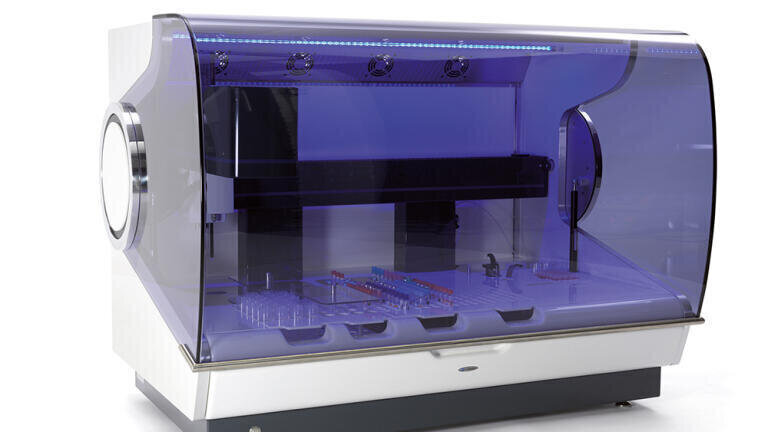
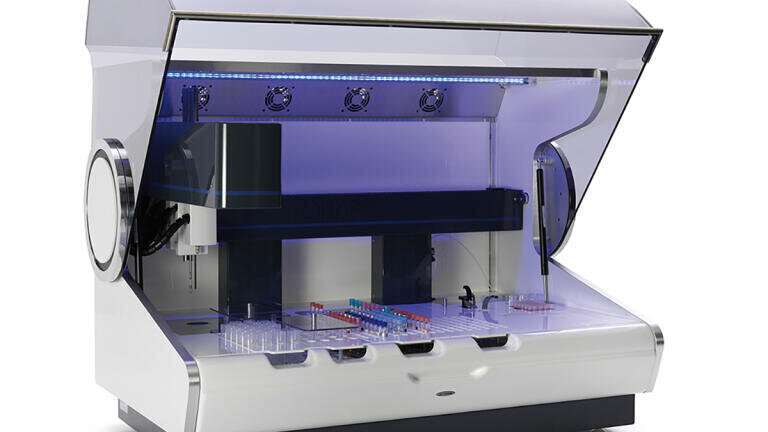
Plant and laboratory managers find themselves challenged by an ever-growing load of administrative work, tight budgets and a lack of enough hands to do the actual water analysis needed to optimise processes, meet customer demands and ensure regulatory compliance. The solution is this... the Hach® AP3900 laboratory robot which is designed to increase efficiency in water analysis and free up time to get all the other tasks done.
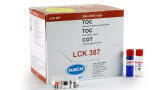
This laboratory robot provides a comprehensive solution for fully automated water analysis, streamlining processes from sample preparation to result reporting. Its modular design allows for scalability and customisation to meet different analytical needs. Designed for versatility, the basic version covers critical parameters such as COD, Total Phosphorus (TP), Total Nitrogen (TN), Ammonium, Nitrate and Nitrite utilising the well-established, pre-programmed LCK cuvette tests and a DR3900 spectrophotometer.
The control software ensures the optimal sequence for processing all samples to minimise total time to results through sample preparation, digestion of complex samples, waiting times and measurement. Additional samples can be added at any time, even when the sequence is running, and the current status of the analysis is accessible any time with a simple mouse click.
Due to the easy-to-use software even novice users are able to enter all necessary information into the system after an initial training. Setting up the system for a full run of up to 24 samples with six parameters each, takes less than 30 minutes.
Benefits
Customer feedback underscores the system's ease of use and seamless integration into daily operations. The simplicity of the software facilitates rapid adoption among laboratory personnel, enabling swift transition to automated workflows. Over time, the AP3900 has proved instrumental in meeting growing analysis demands, demonstrating its ability to optimise laboratory efficiency and performance.
IET 36.5 Sept/Oct 2026


 Product directory




.jpg)









.jpg)






.jpg)