Water/wastewater
Published over 11 years ago. See the latest and most current information on Water/wastewater.
The Biochemical Oxygen Demand (BOD) is a relevant parameter for the assessment of the pollution of sewage. Its fast analyses allows the optimal control of a waste water treatment plant (WWTP).
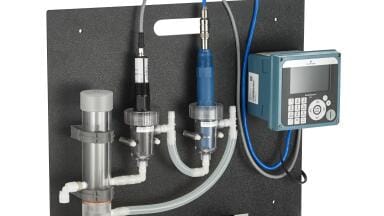
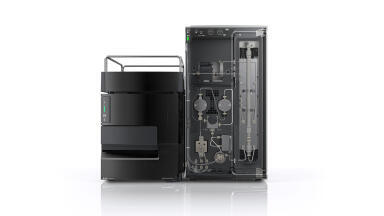
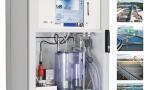
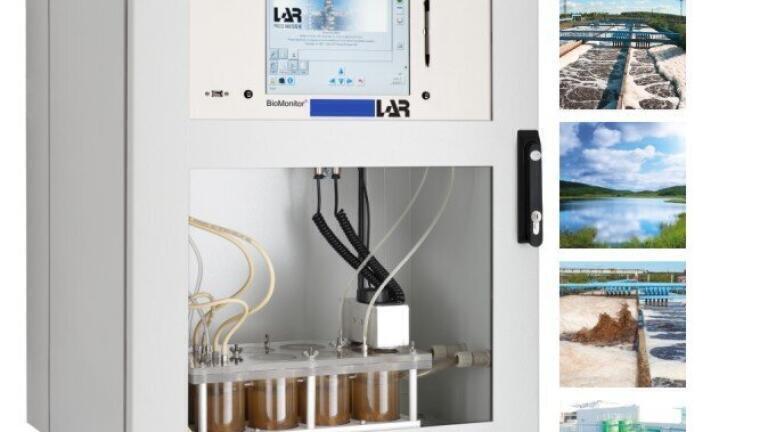
LAR's BioMonitor is an online BOD analyser for the determination of the total biochemical oxygen demand. The analyser determines the degradation of nitrogen as well as carbon compounds within minutes. This characterizes a huge advantage against the regulated BOD5 measurement (carbonaceous-BOD), that needs 5 days. Using BioMonitor, operators control their WWTP effectively. Moreover, the right control of a plant provides enormous cost savings regarding blowers and/or nutrient dosage.
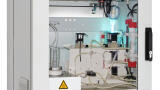
The analysers' functional principle is similar to a biological treatment plant. The waste water to be tested is mixed with activated sludge and air and continuously passed through a mutlistage measurement cascade. Upon exiting the cascade, the residual oxygen is measured with an oxygen sensor. It is important in this process that the plant's own activated sludge is used to actually represent the biology of the WWTP.
The measurement results reflect the real cicumstances of the WWTP and thus, enable the optimal control of the WWTP by ventilation and/or nutrient dosage strategies.
IET Guide 2026

 Product directory