Water/wastewater
Published over 12 years ago. See the latest and most current information on Water/wastewater.
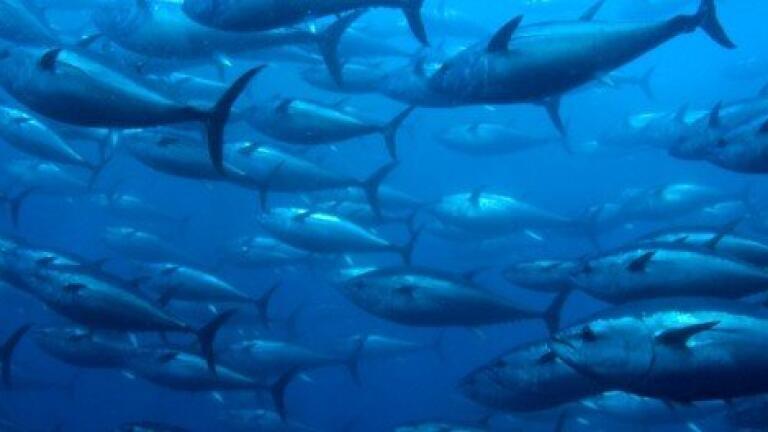
Testing of albacore tuna caught off the coast of Oregon, US, has revealed that radiation levels within the fish have tripled following the Fukushima disaster. Following the partial meltdown of the Japanese nuclear power station following the 2011 earthquake and subsequent tsunami, water quality has been affected by the influx of radioactive groundwater into the ocean.
Scientists from the University of Oregon tested 26 tuna that were caught before the meltdown of the Fukushima No.1 nuclear power station's reactors - some of which went back as far as 2008 - and those that were caught following the incident. They analysed caesium levels in each of the fish, which could be affected by higher radioactivity levels of seawater.
It was found that some of the fish had levels of radioactive isotopes that were three times as high as the fish that were caught before the meltdown. However, the researchers said the levels found in the tuna now were still around a thousand times lower than the maximum levels allowed by the US Department of Agriculture.
Speaking to Oregon's Statesman Journal, lead author of the study, Delvan Neville, said: "A year of eating albacore with these caesium traces is about the same dose of radiation as you get from spending 23 seconds in a stuffy basement from radon gas. You can't say there is absolutely zero risk because any radiation is assumed to carry at least some small risk. But these trace levels are too small to be a realistic concern."
According to the researchers, the radiation levels of tuna could be further affected by migration paths in the future. Tuna that were aged around three-years-old were found to have no traces of the radiation from Fukushima, however, those fish that were aged around four-years-old had higher levels of caesium, which was probably due to them passing through the radioactive plume several times.
Migration levels could result in the caesium levels found in tuna increasing further, but the researchers believe that the levels will still remain well below the maximum safety levels. However, the study will be expanded to include a greater number of tuna caught across the West Coast due to the fact the latest research revealed a spike in radiation levels.
IET 36.5 Sept/Oct 2026



 Product directory