Water/wastewater
Published over 9 years ago. See the latest and most current information on Water/wastewater.
The beauty and cosmetic industry is forever changing. There are always new ways to improve your skin – and new “problems” with it too. But in a more serious sense, there have been some big changes to the way products are being made, and the effect they have on the environment.
Over the past few years, there have been some big changes in the beauty industry – 2017 will mark the end of microbeads in UK cosmetic products after a decision in September 2016. Microbeads are damaging for a number of reasons, not least because they make their way into the food chain and kill off thousands of small fish.
But one beauty specialist has decided to go a step further, making a range of bodycare products using only natural ingredients. Soaper Duper is free from phthalates, triclosan, sodium laureth sulphate, sodium lauryl sulphate, artificial colours, mineral oil, parabens and of course microbeads – all of which are damaging to the environment and the human body.
It’s thought this “unique” product might just be the first of many, following a growing trend in the industry. According to market research specialists Mintel, two in five cosmetic products launched between January and October 2016 in the UK had a “natural” boast. This is up from 36 percent in 2013. And with organic beauty sales growing by 22 percent in 2015, we could be seeing more beauty ranges produced completely free from harmful substances.
In addition to the contents, recycled plastic has been used for the packaging to complete the environmentally friendly USP of the product. “There was a time when we packaged everything to within an inch of its life,” explains Marcia Kilgore, founder of Soaper Duper. “We are dealing with the ramifications of all that now: landfill issues, tainted water supplies and plastic in our oceans, as well as questions about the safety of certain ingredients in our bodies and our environment”.
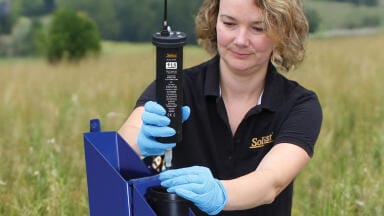
Advances in equipment – such as new water turbidity measurement technology – are going some way to solving problems like polluted water. But the onus still remains on big players in several industries to change the way they are producing products and disposing of waste. With this growing natural trend, and whole ranges being produced free from harmful chemicals, it seems the beauty industry is one of those taking the hint.
IET Guide 2026

 Product directory