Water/wastewater
Published over 8 years ago. See the latest and most current information on Water/wastewater.
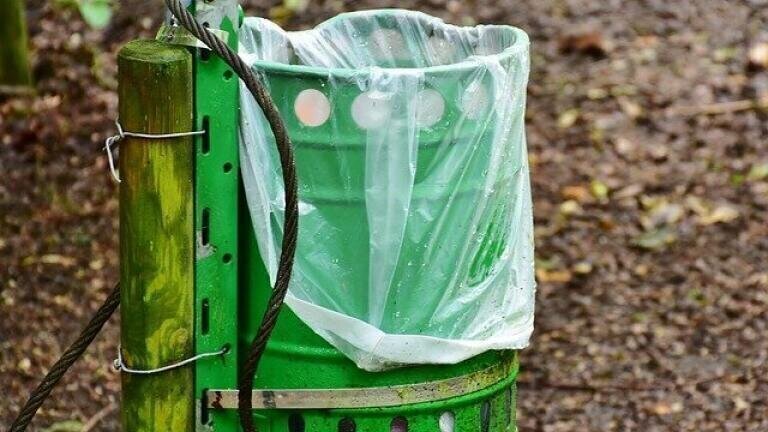
Air pollution, water pollution, deforestation… The list of serious environmental problems is growing. One of the big issues at the moment is plastic pollution, with plastic bags, microbeads and plastic bottles all clogging up the streets, natural habitats and of course the ocean. Read on to find out what a deposit refund scheme is – and how it could help.
A deposit refunds scheme (DRS) works by asking for a payment when something is purchased or used, which is then paid back upon its return. The idea isn’t completely new. Most supermarkets operate a similar system with their trolleys. Shoppers put a coin in to use the trolley, which is only released when they return the trolley.
Environment experts have suggested that a DRS could be used for plastic bottles. Part of a drink’s price would be made up by a deposit, which would then be returned when the customer returns their empty bottle or bottles. Germany and Denmark are two of over ten nations which already have a DRS in place – and have seen over 90% of their bottles returned successfully.
So, why is it that we need to create new ways to stop plastic pollution from bottles? Well, quite simply, they aren’t getting recycled. Because of the low rate of recycling, millions of tonnes of plastic – over eight million, in fact – enters the ocean each year.
The rate is still rising, and plastic bottles make up a large proportion of this, threatening wildlife, as well as being a visual problem and a potential safety issue. Safety in large bodies of water is discussed in the article ‘When every centimetre counts VEGABAR 82 as a safety device at the Schlegeis reservoir’.
At present, less than 60% of plastic bottles are recycled in the UK. Most of this is through street-side collection schemes which encourage proper disposal of plastic. Even these schemes are problematic, however, as they require councils to organise and collect them.
With a DRS, councils would save money, because there would be less recycling bins to collect. According to a recent report, however, councils would also save money on littering and landfill charges. While they may lose revenue from selling the plastic and cans they collect to recyclers, they would more than make up for it elsewhere, with estimated savings between £60,000 and £500,000. The perfect solution, surely, at a time when councils are struggling to cope with budget cuts from the government.
IET Guide 2026

 Product directory