Showing 13 to 24 of 55 results
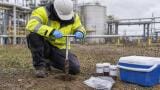
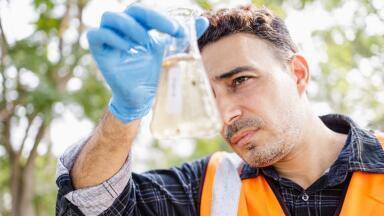
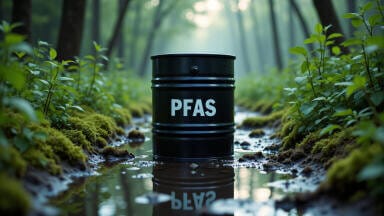
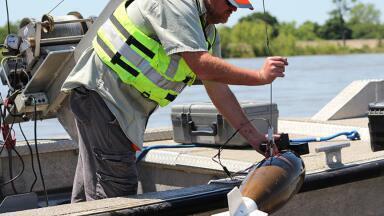
Analyzing per- and polyfluoroalkyl substances (PFAS) in water is a crucial process due to their persistent, bioaccumulative, and potentially toxic nature. PFAS are man-made chemicals used in various industrial processes and consumer products, and their presence in the environment, particularly in water, raises significant health and ecological concerns. The purpose of analyzing PFAS in water is to identify and quantify PFAS compounds in drinking water sources, wastewater, and surrounding water bodies to assess the extent of contamination. Continuous monitoring helps ensure water safety by checking PFAS concentrations against regulatory limits, as these substances have been linked to adverse health effects. Tracking the presence and movement of PFAS in aquatic ecosystems to understand their impact on wildlife and the environment and ensures that water quality meets legal standards for PFAS, prompting treatment actions when levels exceed health advisory thresholds. Data from PFAS analysis supports efforts to manage, reduce, or eliminate sources of contamination. Typically, PFAS in water is analysed by sample collection, extraction, separation and detection, data analysis, reporting and action. In summary, the analysis of PFAS in water is an essential aspect of environmental monitoring programs, aimed at safeguarding public health and ecological systems from these persistent and potentially harmful chemicals. This process guides regulatory, preventive, and corrective measures in response to PFAS contamination in water sources.
AET 30.4 Nov 2026

 Product directory