Environmental laboratory
Published over 8 years ago. See the latest and most current information on Environmental laboratory.
It’s become common knowledge that excessive usage of cars, water, electricity and so on becomes a waste of the planet’s limited supply of natural resources. And, yes, we’re making some steps towards more sustainable ways of living. However, as technology has progressed, there are now millions of products in use that simply didn’t exist 50 years ago. Read on as we discuss whether these new forms of technology are impacting the planet.
With 7 billion smartphones produced globally since 2007, it’s no surprise the impact of these devices are being questioned. Undeniably smartphones have had a positive effect on society, however the mass production needed to meet the demand of today’s smart device addiction is having detrimental effects on the planet.
Swedish researcher Anders Andar suggests the telecommunications and power industry will increase so much so that by 2025, it will consume 20% of the world’s energy supply. “The situation is alarming. We have a tsunami of data approaching,” explains Andar.
With every 2 in 3 people owning a smartphone and having instant access to the internet, data centres are in constant overdrive with more machines and products becoming digitalised.
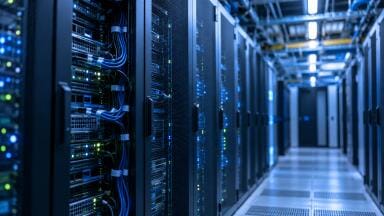
Also known as server farms, data centres store data from billions of digitalised devices. Data centres alone are capable of producing 3.2% of the world’s carbon emissions. As the population acquires more devices, these centres need a significant amount of power to supply the increasing demand. Put simply, the increase of emissions is inevitable. For more on the research of environmental changes, check out ‘Do you know NORMAN?’, which looks at the monitoring the effect of emerging substances.
All that being said, the use of smartphone devices shouldn’t be stopped. Instead, the rate at which people are using them should be considered. Smart devices enable billions instant access to information and education, making it an essential part of modern life. If there was greater awareness towards of the speed of the data being used and the number of devices owed by each individual, the excessive use may begin to decrease, in turn decreasing the amount of energy used.
Pressures from environmental groups such as Greenpeace, have lead large tech companies to consider the use of renewable energy to power their data centres through solar and wind farms. Would you settle for slower data speed? Or could you stop using smart devices all together?
IET 36.5 Sept/Oct 2026





 Product directory