Water/wastewater
Published over 11 years ago. See the latest and most current information on Water/wastewater.
Flooding versus droughts. Water issues have affected the UK and been the focus of the media recently. However, it is not just the volume of available water in catchments which matters - the quality of natural waters also affects their ecological health, recreational value and the amount of treatment needed to make water potable. Our catchments are under pressure from agriculture, industry and climate change. With the second cycle of action plans to manage water catchments across Europe due to commence in September 2015, it is timely to take stock of some of the technology which has been used to monitor catchments and potential future technology developments.
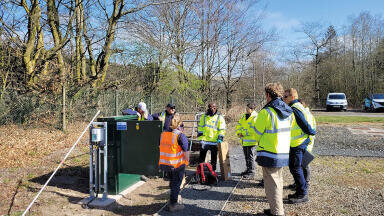
So which sensors are currently used for catchment monitoring? What kinds of new monitoring technologies are under development for the future? What can be achieved using the knowledge gained about sources of pollution in catchments? And how will our understanding of inputs to catchments improve over time? The Sensors for Water Interest Group (SWIG) held a workshop on 18 March 2015 at Rothamsted Research, North Wyke to bring together specialists in the field of water monitoring in catchments and address all of these questions.
IET 36.3 May

 Product directory















.jpg)