Showing 37 to 48 of 167 results
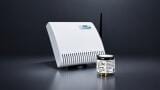
Weather monitors are instruments designed to collect and analyze data related to atmospheric conditions. These sophisticated devices are crucial for meteorology, climatology, and a range of other applications where weather plays a significant role, such as agriculture, aviation, and disaster management. At their core, weather monitors track and record various meteorological parameters, which typically include temperature, humidity, atmospheric pressure, wind speed and direction, precipitation, and solar radiation. This information is essential for understanding weather patterns, forecasting weather, and studying climate change.
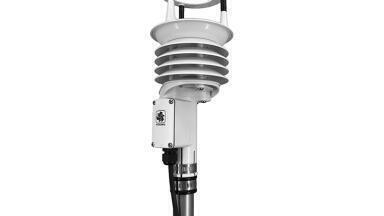
There are various forms and features of weather monitoring. Thermometers measure air temperature. Advanced models might include thermometers for soil and water temperatures as well. Barometers measures atmospheric pressure. Changes in atmospheric pressure can indicate impending weather changes, such as approaching storm systems. Hygrometers measure the moisture content in the atmosphere, commonly known as humidity. Humidity levels are critical for understanding comfort levels, heat index, and dew point. Anemometers measure wind speed and sometimes wind direction. Wind data is crucial for weather prediction and is particularly important in aviation and maritime navigation. Rain gauges measure the amount of precipitation over a set period. This is essential for understanding and predicting weather patterns, as well as for agricultural planning. Pyranometers measure solar radiation. This is important not only for weather forecasting but also for solar energy applications.
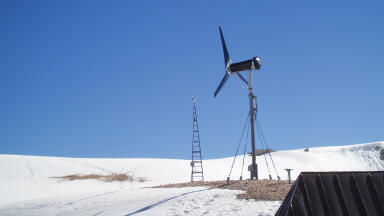
Weather monitors vary from simple, manual instruments to complex, automated systems that transmit data in real-time to centralized weather stations or directly to the internet. The latter allows for continuous monitoring and immediate access to data, which is crucial for real-time weather forecasting and alert systems. In the context of climate change, weather monitors are invaluable for tracking long-term climate patterns, contributing to our understanding of global warming and its effects. By analyzing historical weather data collected over years or even decades, scientists can detect trends and changes in climate patterns. In agriculture, weather monitors help farmers make informed decisions about planting, irrigation, and harvesting. Accurate weather data can significantly impact crop yield and quality. For public safety, weather monitors are critical in predicting severe weather events like hurricanes, tornadoes, and thunderstorms, allowing for timely warnings and evacuation orders. Overall, weather monitors are indispensable tools for a wide range of applications, providing critical data that helps us understand and adapt to the ever-changing dynamics of our atmosphere.
IET 36.5 Sept/Oct 2026


 Product directory





















.jpg)