Water/wastewater
Published over 7 years ago. See the latest and most current information on Water/wastewater.
British beaches have passed the most recent round of water quality tests with flying colours. From May to September, the Environment Agency (EA) carried out spot tests of the water at 420 locations around the UK and encouragingly, 411 of those passed the rigorous standards imposed by the organisation to determine whether the sea is fit for bathing.
Even more pleasingly, 388 of the beaches tested were classified as having either “Good” or “Excellent” water quality by the EA. The news has coincided with one of Britain’s best summers in years, meaning that more people from all over the country were able to take advantage and sample a slice of the Great British seaside at their nearest coastal location.
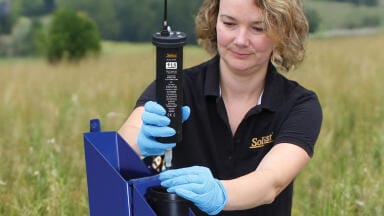
The tests are undertaken by the EA every summer between the months of May and September, when as many as 20 samples of water are taken from each designated site around the UK. Those samples are then sent away to the EA laboratory, where they assessed for cleanliness and quality using analytical instrumentation and specialty gases, before the results are published online.
With 97.9% of all beaches passing the EA’s benchmark for acceptable bathing conditions and 92.4% receiving the top rating possible, the report shows just how far UK water quality measures have come. A quarter of a century ago, UK coastlines and inland lakes suffered from negligent wastewater treatment methods and in the early 1990s, a mere 28% of bathing spots would have passed EA tests.
That turnaround has come in large part due to stricter regulations imposed upon water companies and industrial plants by the EA regarding their treatment and effluent practices. At the same time, local councils and communities have played their own part in cleaning up Britain’s beaches and achieving the incredibly high standard of water quality we can now enjoy today.
“Hard work has helped 388 beaches achieve the top ‘Excellent’ or ‘Good’ ratings this year, and at beach cleans throughout the summer I've seen the commitment of local communities and campaigners to reduce pollution and protect our environment,” said Emma Howard Boyd, chairwoman of the EA. “Everyone can take small steps to help us protect water quality as we continue work with water companies, councils, and local communities to maintain high bathing water standards.”
While high-resolution monitoring techniques have been essential for the conservation our rivers and waterways, the EA has also asked the general public to do their bit to sustain these impressive water quality levels by taking the following measures:
Working together, we can ensure we maintain these impeccable levels of water quality at all of our beautiful bathing hotspots for years and generations to come.
IET Guide 2026

 Product directory