Wastewater analysis
Published over 3 years ago. See the latest and most current information on Wastewater analysis.
Experts examining wastewater claim that regular surveillance at sewage processing facilities could serve as a potent early detection system for potential flu or norovirus outbreaks, allowing hospitals to prepare and offering crucial health data to public health agencies.
In the UK's first extensive and all-inclusive wastewater-based epidemiology (WBE) study, researchers from the University of Bath, Bangor University, and the UK Health Security Agency assessed wastewater from 10 cities for chemical and biological health indicators, including pesticides, pharmaceuticals, and pathogenic viruses. The study, published in the Journal of Hazardous Materials, received funding from the UK Health Security Agency and the Engineering and Physical Sciences Research Council.
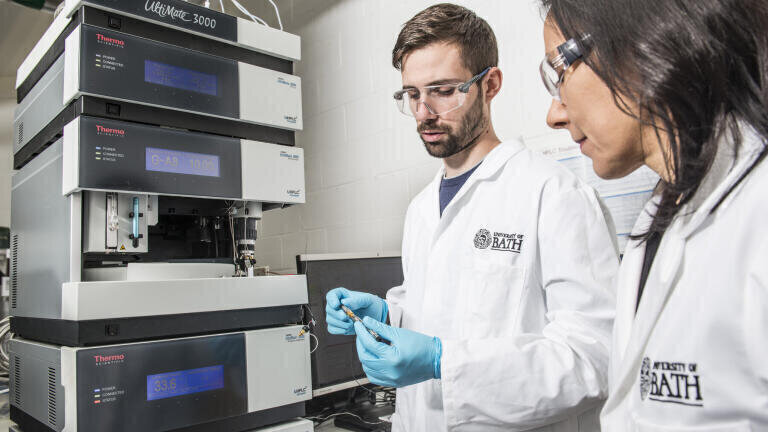
The scientists gathered samples from each site at hourly intervals over 24 hours on nine days in November 2021. The daily samples were combined before being processed and analyzed for trace chemical markers using mass spectrometry methods.
Additionally, the samples were examined for genetic material from viruses (SARS-CoV-2, norovirus, and adenovirus). The total sampling area represented a population of approximately 7 million individuals.
Employing highly sensitive chemical analyses capable of differentiating between similar markers, the researchers could determine if pharmaceuticals had passed through the human body or were directly disposed of in the wastewater system.
They were also able to discern whether chemicals like pesticides had been consumed through food or had entered the wastewater system from agricultural areas. The team noted that chemical marker levels mostly relied on the catchment area's population size, but some anomalies existed. For instance, one city exhibited a significantly higher ibuprofen concentration in the water compared to other cities, implying direct disposal from industrial waste. Researchers identified localized outbreaks of norovirus, Covid-19, and flu, and correlated them with increased usage of over-the-counter pain relievers like paracetamol.
The findings suggest that large-scale wastewater analysis, known as wastewater-based epidemiology, could identify new disease outbreaks in communities early on, before significant hospital admissions occur.
Professor Barbara Kasprzyk-Hordern, from the Water Innovation Research Centre and Institute for Sustainability at the University of Bath, who led the chemistry work on the project, stated that: “Our study has shown that only 10 daily samples from 10 wastewater treatment plants are needed to provide anonymous and unbiased information on the health of 7 million people - this is much cheaper and faster than any clinical screening process. This could, therefore, potentially be a very powerful tool for giving a holistic understanding of public health of different communities.”
Professor Davey Jones, who led a team at Bangor University analysing the wastewater for viruses, said: “Norovirus and seasonal flu have always been a huge problem in hospitals each winter; now Covid-19 has added to this problem. Our proof-of-concept study has shown the potential for Wastewater Based Epidemiology to provide an early warning surveillance system for these and other diseases, which would enable hospitals to prepare for outbreaks in the local area.”
Matthew Wade, from the UK Health Security Agency, said: “This has been a fantastic collaboration of chemists, biologists and Government agencies, working with multiple water companies to collect important data on both chemical and biological markers from different parts of the UK. We are delighted to be part of this project and look forward to developing the potential of this public health tool even further in the future.”
IET Guide 2026

 Product directory