Portable & field testing
Published over 10 years ago. See the latest and most current information on Portable & field testing.
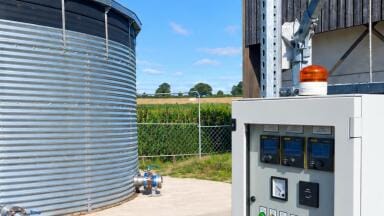
Renewable energy has been a significant part of the mainstream global conversation on environmental sustainability for the past decade. The farming industry for example has realised its potential through the production of biogas, the most common source for renewable energy in the world.
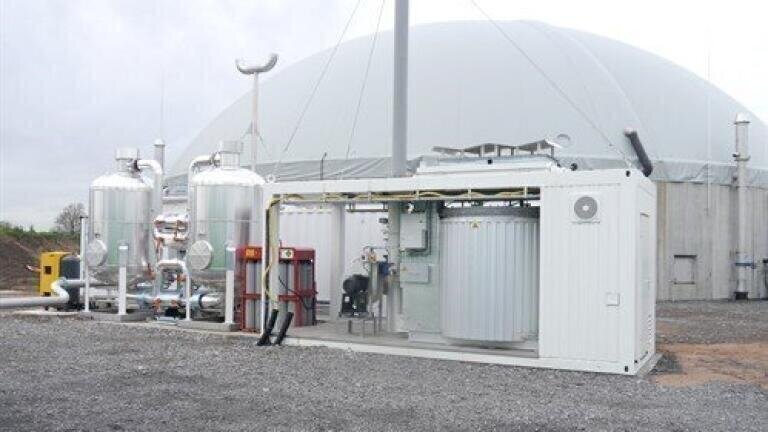
Waste water treatment plants also provide the perfect platform for producing biogas such as methane (CH4) and carbon dioxide (CO2). This, complemented by reliable feedstock and an optimised monitoring process provide the best combination for energy production.
Treatment plants capture the valuable, energy-rich methane (CH4) and use it as fuel for CHP gas engines. The engines then produce electricity and heat for the site. This creates a cycle of self-sufficiency where waste is turned into energy to power the operation.
Beyond that, energy can be sold to the grid, adding to the plant’s revenue stream. Biogas plants for example, can make £15,000* worth of energy in a day. Therefore, keeping the CHP engines running and the process optimised are critical in ensuring self-sufficiency and profitability.
A reliable feedstock provides consistent gas levels over time. When methane (CH4) levels are kept stable at a range of 55% to 60% for example, maximum power can be captured from the process.
However, the process will also produce other gases which can damage the CHP engines. These include hydrogen sulphide (H2S), usually produced in the anaerobic digestion process and oxygen (O2) which could indicate a possible leak in the system. Such incidences if left undetected and unrectified can lead to expensive engine repairs and downtime, costing the plant time and money.
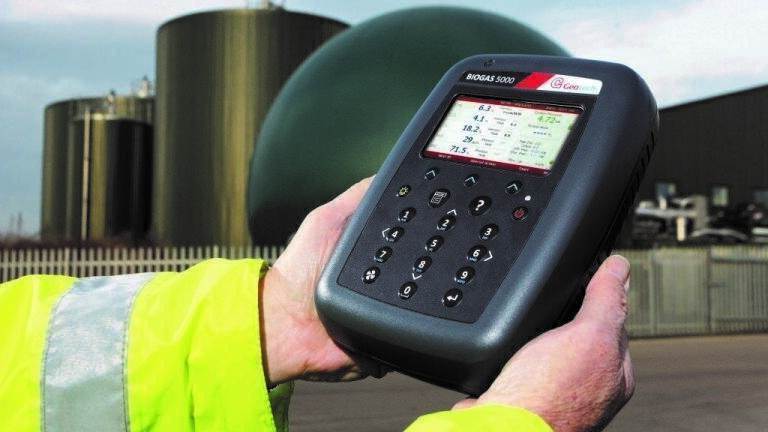
To prevent this from occurring, it is important that plant operators adopt a solid gas monitoring process. This can be done through a combination of fixed monitoring equipment and portable gas analysers.
A good portable gas analyser will measure the flow, pressure and levels of methane (CH4), carbon dioxide (CO2), oxygen (O2) and hydrogen sulphide (H2S) of up to 10,000ppm. This will provide daily checks on optimum methane (CH4) levels, the effective removal of hydrogen sulphide (H2S) through desulphurisation and ensure that there is no oxygen (O2) leak. The data provided from these checks will also enable the operator to react quickly should they detect any anomalies in the operating standard.
Portable gas analysers can also be used as a verification tool for other equipment, for example, to check whether the fixed gas analysers and flow meters are displaying correct readings. This will boost operator confidence in their system in the long run.
The good news is that portable gas analysers are a relatively small investment to make when compared to the cost of running a waste treatment plant and the downtime that may occur as a result of not using any monitoring equipment.
No doubt as more industries realise the benefit of turning to biogas energy production, a greater emphasis will be placed on ensuring the finest operation levels with the best monitoring equipment. This will create greater sustainability, self-sufficiency and profitability, not just for energy producers but also the industry and nation.
*based on a 500kW engine
IET 36.5 Sept/Oct 2026



 Product directory


















-Medium.jpg)

-QED-Image.jpg)
.jpg)