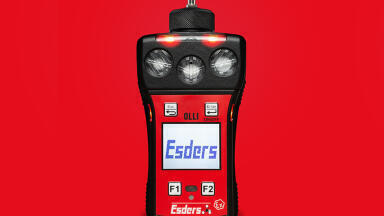
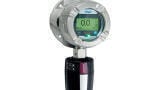
The Dräger X-am 5000 measures combustible gases and vapors, oxygen, and toxic gases including H2S, CO, CO2, CL2, HCN, NH3, NO2, PH3 and SO2.
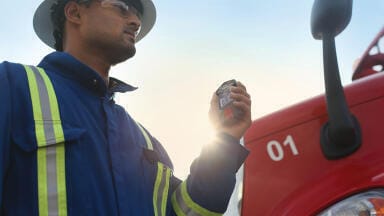
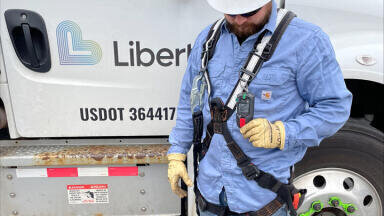
The Dräger X-am 5000 is handy and ergonomically designed, and especially convenient for personal security.
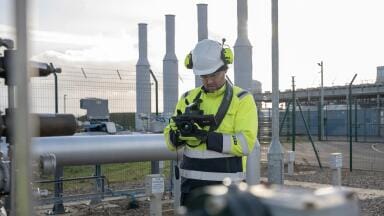
Because of its protection rating for dust and water (IP 67) it can be used in hazardous areas such as in sewers.
Its small size makes it convenient in cramped spaces when it is connected to an external pump.
The innovative catalytic ex sensor with “full range†functionality can measure 0 to 100 volume percent UEG as well as 0 to 100 volume percent methane. The device can run non-stop for up to a week, because the ex sensors are pulsed in the energy saving mode. The Dräger X-am 5000, equipped with xxs sensor technology offers extremely high measurement reliability at very low operating costs.
Through attractive accessories like the Dräger Bump Test Station with the new portable printer the user can perform a functional test and print the relevant log within 10 seconds. The 1- to 5-gas detection instrument Dräger X-am 5000 is certified with ATEX, UL and IEC around the world. It can also be utilised in areas with a zero classification. The device conforms to RoHS because of its lead-free production process.
 Product directory