Health & safety
Published over 11 years ago. See the latest and most current information on Health & safety.
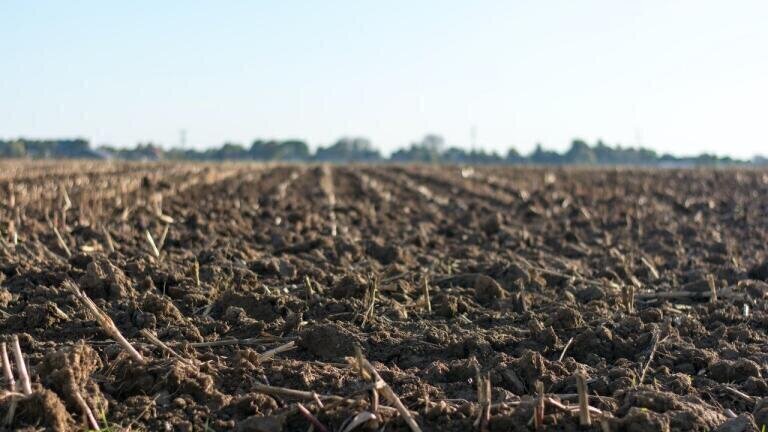
Soil contamination occurs when human-made chemicals, such as hydrocarbons and heavy metals, find their way into the earth, altering the natural soil environment. Generally, soil contamination is cited as a consequence of non-organic farming practises, industrial activity and improper waste disposal. Common chemicals involved in soil contamination include petroleum hydrocarbons, lead, solvents, pesticides and polynuclear aromatic hydrocarbons, such as naphthalene.
Pesticides and insecticides, which are designed to destroy pests and insects, and herbicides, which are designed to kill weeds, are used by farmers in order to protect their crops. Synthetic pesticides, insecticides and herbicides are created in laboratories using a combination of chemicals. In the past, the use of synthetic pesticides, insecticides and herbicides has resulted in soil contamination.
Synthetic insecticides, including DDT, Aldrin and Dieldrin, are cheap to manufactur, and have been produced in huge quantities since the 1930s. DDT use, in particular, took off in the mid-1930s, and was used excessively up until the late 1970s. Usage dropped as the environmental effects of DDT were realised; although DDT was only sprayed on farmers’ fields, large quantities were found in fish and mammals globally, and DDT was also present in Antarctic snow. DDT was discovered to be more soluble in the bloodstream than in water, and has been linked to a fall in bird numbers, as it causes egg shells to become more brittle.
In the city of Perlis in northwest Malaysia, studies have shown that high levels of heavy metals are present in the soil as a result of anthropogenic activities, such as mining and smelting. We explore further in this article: Assessment of Heavy Metal Pollution in Malaysia’s Smallest State: Perlis.
Improper waste disposal has also been linked to soil contamination. Treated sewage, which is also known as bio solids, is sometimes used as a fertiliser. Higher in contaminants than other fertilisers, the use of bio solid fertilisers is controversial. Advocates insist that bio solid fertilisers ought to be subject to greater regulation.
In addition to this, munitions may also cause soil contamination. The chemicals present in biological weapons and other types of weaponry can leach into the soil, greatly upsetting its natural balance.
Contaminated soil has been shown to have a negative impact on human health. Chronic exposure to benzene, for example, has been linked to higher rates of leukaemia, while chronic exposure to chromium and lead is thought to cause congenital disorders and other health conditions.
Soil contaminants also have adverse effects on ecosystems. Typically, contaminants have been shown to alter plant metabolism, causing a drop in crop yields.
IET 36.5 Sept/Oct 2026




 Product directory


















.jpg)